There’s a moment every serious home cook recognizes.
It’s not when you nail a complicated technique or pull off a perfect dinner party. It’s quieter than that. It’s the moment you realize your cooking isn’t just feeding people—it’s solving problems.
You’re the one friends text late in the afternoon asking, “What can I do with this?”
You’re the one who ends up planning the menu because everyone else feels overwhelmed.
You’re the one who actually enjoys the process while others see it as another chore.
When that starts happening consistently, cooking has crossed a line.
At that point, it’s no longer just a hobby. It’s a valuable skill that other people rely on—and that changes everything.
The Real Line Between Hobby and Profession
Cooking is a strange skill because it lives in both worlds. Everyone eats. Some people enjoy cooking. A few people are good enough that others benefit when they take over.
The difference between a hobby and a profession isn’t credentials or titles.
It’s usefulness.
A hobby exists for your enjoyment.
A profession exists because it makes someone else’s life easier.
The moment people are relieved when you cook—that’s the pivot.
In a world where time is scarce and health matters more than ever, the ability to plan, shop, and cook consistently is no small thing. When your skills remove stress, save time, or protect someone’s health, you’ve moved into professional territory whether you’ve named it or not.
Why Your Skills Are Worth More Than You Think
It’s easy to dismiss what feels natural.
If cooking feels intuitive to you, you might assume it’s easy for everyone. It isn’t.
To the people around you, what you do represents relief:
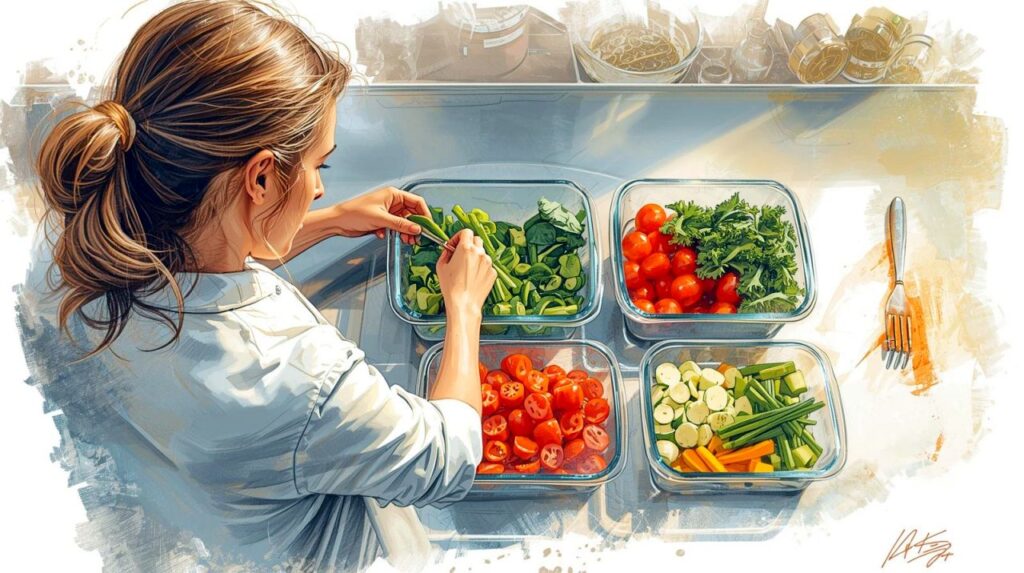
- Time saved: no shopping, chopping, or cleanup
- Mental load removed: no more “what’s for dinner?”
- Health protected: meals that actually fit dietary needs
For a busy professional, a parent managing allergies, or an older adult trying to stay independent, your ability to handle food reliably is a serious asset.
That’s what personal chefs sell—not dishes, but outcomes.
Why Personal Cheffing Is the Natural Next Step
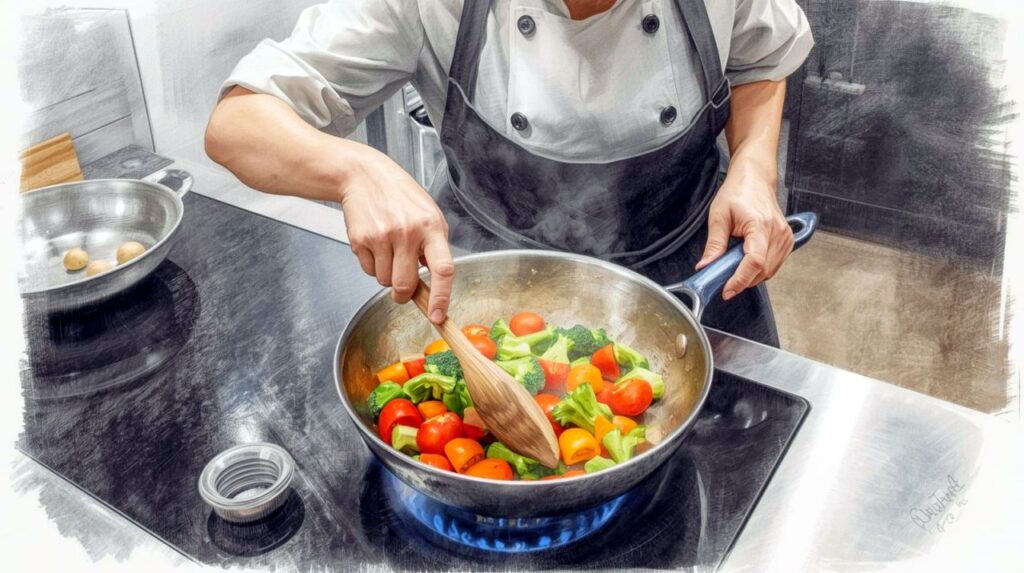
Personal cheffing sits perfectly at the intersection of skill and service.
It allows you to:
- cook real food for real people
- work without the chaos of restaurant life
- specialize instead of trying to please everyone
Unlike restaurants, personal cheffing isn’t about volume or spectacle. It’s about consistency and fit.
And the demand is real.
Personal cheffing has expanded far beyond private estates and celebrities. Busy families, health-focused clients, and professionals now use personal chefs as a practical solution—not a luxury.
The work has naturally broken into clear, profitable niches:
- weekly meal prep
- diet-specific cooking
- small, intimate events
Overhead stays low. Work stays focused. And because you’re solving recurring problems, clients tend to stick around.
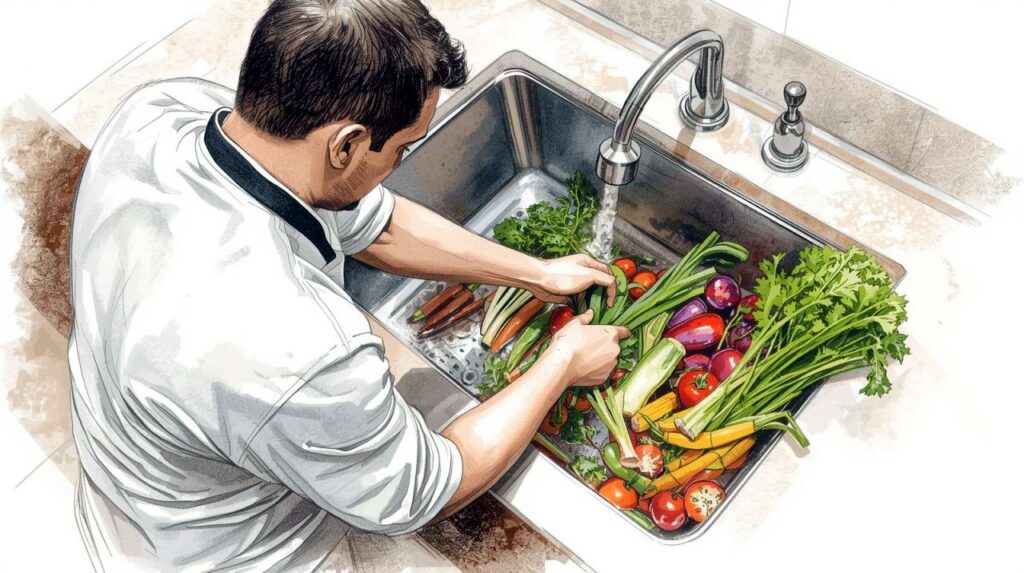
When Passion Needs Structure
Taking your cooking seriously doesn’t mean turning it into chaos. It means adding structure.
Credibility Matters
You don’t need a culinary degree, but you do need professionalism. Food safety certification, insurance, and basic business setup aren’t optional—they’re what turns trust into trustworthiness.
Specialization Is Strength
The most successful personal chefs don’t try to cook everything. They pick a lane.
Family meals.
Diet-specific cooking.
Comfort food.
Athlete fuel.
Clarity attracts the right clients and filters out the wrong ones.
Pricing Is About Value, Not Ingredients
New chefs often undercharge because they price food, not outcomes. Clients aren’t paying for chicken and vegetables—they’re paying for planning, execution, safety, cleanup, and peace of mind.
That distinction is what makes the work sustainable.
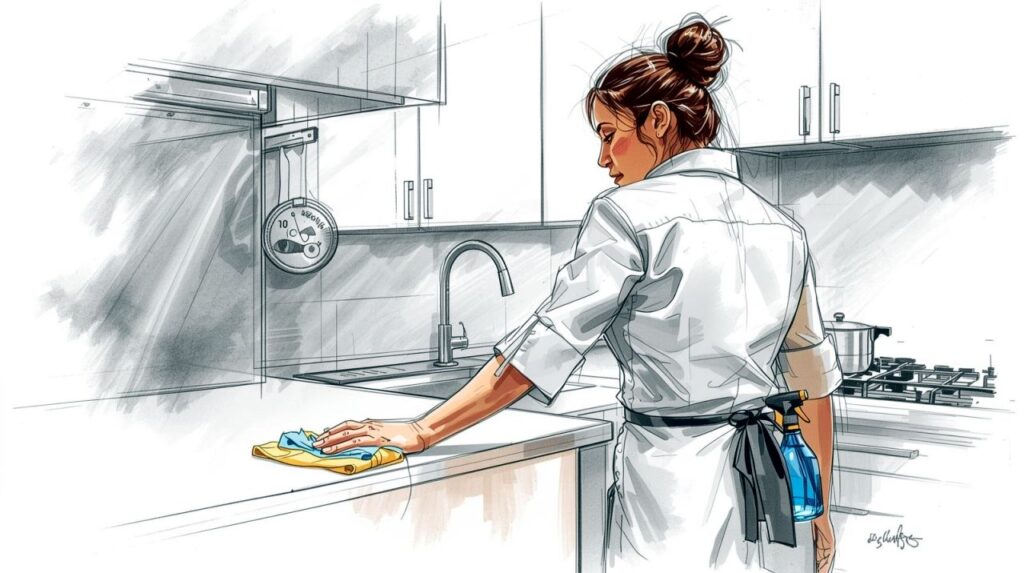
From “Good Cook” to Professional
The leap from hobbyist to professional isn’t about learning to cook better. You’ve likely already done that.
It’s about recognizing that your skills matter—and allowing yourself to charge for the relief you provide.
The demand exists.
The industry is growing.
The problems are real.
If this article put words to something you’ve been quietly feeling, you’ll find deeper guidance, free resources, and practical next steps at Become A Personal Chef—built specifically for cooks who are ready to take themselves seriously.
At some point, passion becomes service.
When that happens, the only real question left is whether you’re willing to treat it like the career it already is.