For a long time, credibility in wellness followed a rigid formula: degrees, certifications, years in practice. Those still matter—but they’re no longer the whole story.
Today, trust is increasingly built through embodiment.
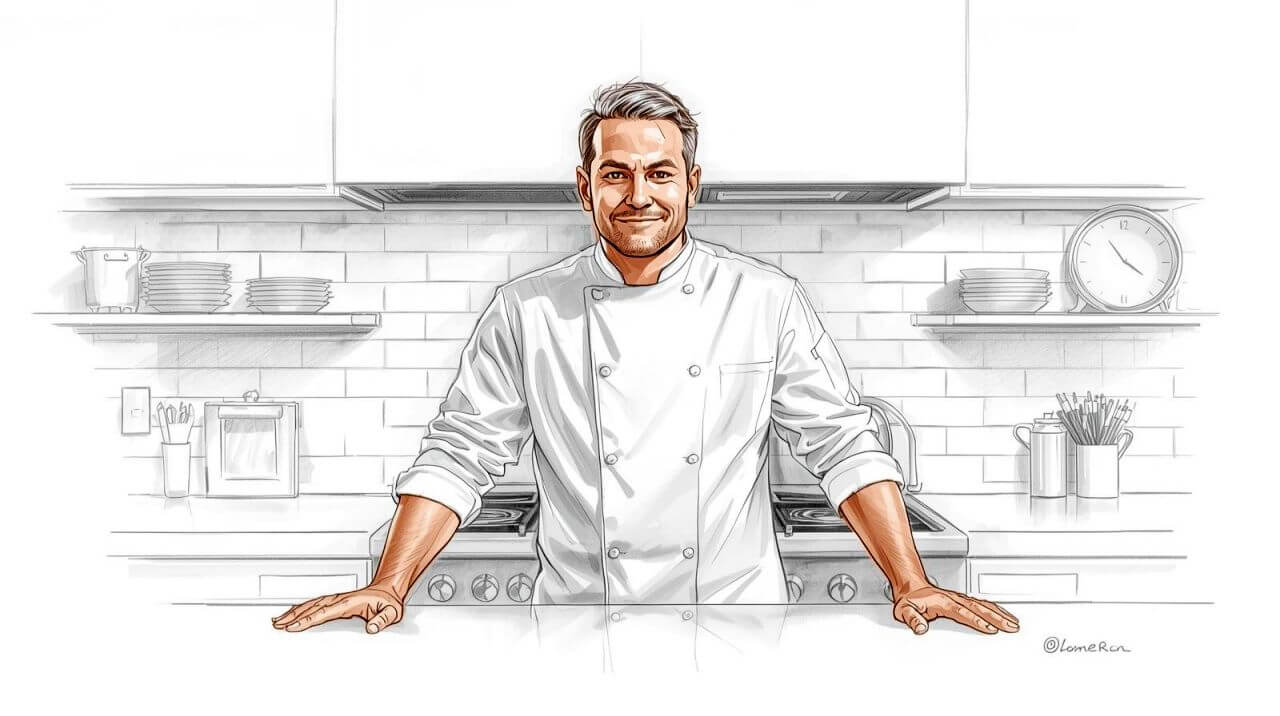
Clients don’t just want someone who understands health on paper. They want someone who lives it. Someone whose habits, routines, and food choices already reflect the outcomes they want for themselves.
If you’re the person who:
- sources organic ingredients without thinking twice
- understands macros intuitively
- batch-cooks on Sundays because it makes the week run better
you already have something most people don’t.
In the personal chef industry, those habits aren’t hobbies.
They’re proof of concept.
For fitness professionals, nutrition-focused practitioners, and serious wellness enthusiasts, this creates a clear opportunity: your lifestyle itself can become a professional service.
Why Personal Cheffing Is Exploding Right Now
The personal chef industry has moved far beyond private estates and celebrities. What’s driving growth isn’t luxury—it’s pressure.
People are short on time and overloaded with decisions. At the same time, they’re more aware than ever that food affects energy, performance, mood, and long-term health.
That collision has created demand.
The U.S. personal chef market generates billions annually, fueled by:
- busy professionals who can’t manage nutrition alone
- families navigating dietary restrictions
- clients using food to manage health conditions
These clients don’t want restaurant tricks. They want someone who understands real-world wellness and can execute it consistently.
Where Traditional Culinary Training Falls Short
Classic culinary education focuses on technique, presentation, and volume. Wellness-focused clients care about something else entirely.
They want:
- anti-inflammatory meals that actually taste good
- gluten-free food that doesn’t feel like a compromise
- high-protein meals that support training and recovery
If you’ve lived this lifestyle yourself—reading labels, adjusting recipes, learning what works—you already have specialized knowledge many traditional chefs don’t.
That’s leverage.
Embodiment Builds Trust Faster Than Credentials
In wellness, people don’t just buy expertise. They buy alignment.
When clients see that you:
- shop intentionally
- eat the way you recommend
- prioritize sustainable habits
they trust you to do the same for them.
This kind of credibility doesn’t come from marketing copy. It comes from consistency—and it shortens the distance between interest and commitment.

Your Daily Habits Are Already Billable
Much of what you do automatically has professional value when framed correctly.
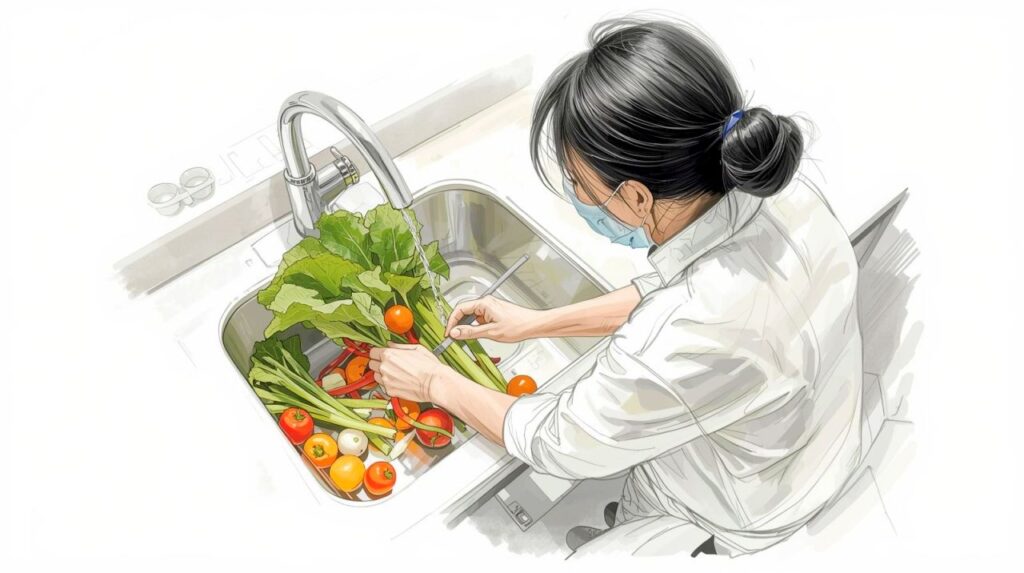
- Sourcing becomes vendor management and quality control
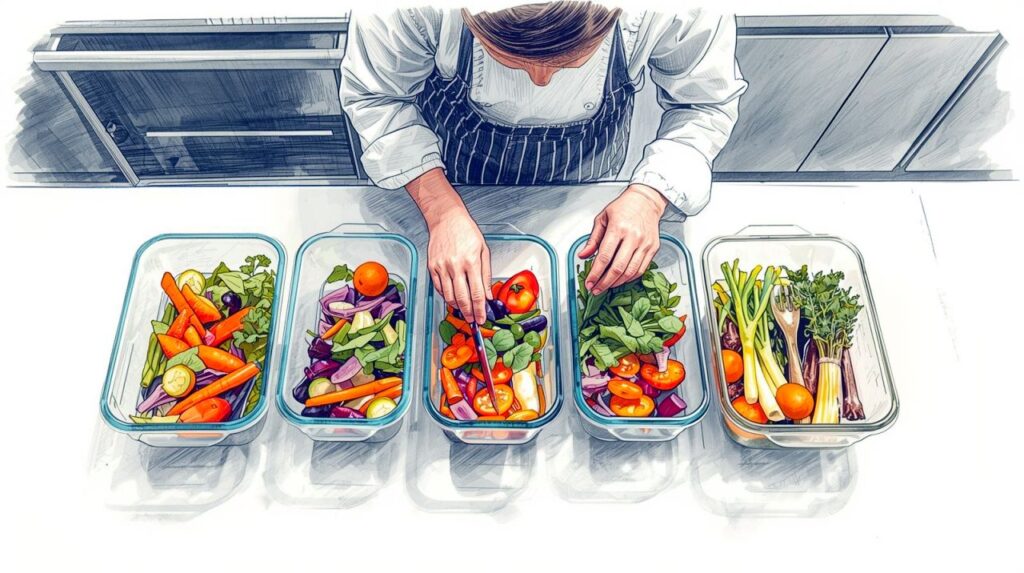
- Meal prep becomes inventory planning and system design
- Nutritional awareness becomes applied consulting
You’re not guessing what clients need—you anticipate it, because you live it.
That’s why wellness-aligned personal chefs often outperform technically trained generalists: they understand the context of the food, not just the recipe.
Turning Lifestyle Into a Service
The shift from enthusiast to professional isn’t about changing who you are. It’s about packaging what you already do.
1. Let Your Life Define Your Niche
Don’t chase trends. Look at your own kitchen.
Vegan? Paleo? Performance-focused? Allergy-aware?
Your lived routine is your strongest positioning—because it’s authentic and sustainable.
2. Market the Process, Not Just the Plate
Clients hire personal chefs for relief, not aesthetics alone.
Show:
- how you shop
- how you plan
- how you adapt safely
The process is the product.
3. Sell Outcomes, Not Meals
You’re not selling food. You’re selling:
- time returned
- stress removed
- health supported
When clients understand that you’re giving them back 10–15 hours a week and upgrading their nutrition, price resistance disappears.

A Natural Expansion for Fitness Professionals
For trainers and coaches, income is often capped by hours. Food, however, affects clients 24/7.
Personal cheffing closes that gap.
By handling meals, you:
- accelerate client results
- increase lifetime value
- diversify income without more sessions
You don’t need a restaurant. You need structure.
If you’re exploring how to formalize this path, the frameworks at Become A Personal Chef are designed specifically for wellness-aligned professionals—covering pricing, contracts, and systems without guesswork.
Stop Treating Your Lifestyle as a Side Note
The hardest part—building the habits, the knowledge, the discipline—you’ve already done.
Business skills can be learned.
Systems can be built.
But lived wellness can’t be faked.
Your lifestyle creates trust.
Your habits demonstrate expertise.
Your consistency solves a real problem.
It’s time to stop seeing healthy living as a personal preference—and start recognizing it as the high-value skill it already is.