Do you watch cooking shows full of high-stakes drama and tweezered microgreens and think, “I’m not good enough to charge for my food”?
It’s time to rethink that. That dramatized standard of perfection is a massive barrier keeping talented cooks like you from a lucrative career. If you can put a delicious, reliable Sunday roast on the table, you already have the skills to start a business.
Here is the secret most culinary schools won’t tell you: Clients aren’t looking for three-Michelin-star perfection. They are looking for consistency, reliability, and time.
The Market is Waiting for You
The personal chef industry is exploding, with thousands of chefs serving roughly 72,000 clients across the U.S. These entrepreneurs aren’t selling “art”—they are selling a solution to a problem.
Practical Talent > Artistic Perfection
To start a business, you don’t need to know 50 ways to sous-vide a duck breast. You need “Practical Talent.” This means:
- Adaptability: Can you cook a gluten-free meal for a client with allergies?
- Reliability: Can you show up every Tuesday at 10 AM and have dinner in the fridge by 2 PM?
- Comfort: Can you make the healthy, tasty food people actually want to eat on a Tuesday night?
Clients aren’t paying for a foam emulsion; they are paying to reclaim the ten hours a week they usually spend shopping, chopping, and cleaning.
Why “Good Enough” is Great for Business
Successful personal chefs understand they are in the problem-solving business.
- The Problem: A busy executive or a tired parent needs healthy food but has no time to cook.
- The Solution: You stocking their fridge with five reheat-ready meals that taste like home.
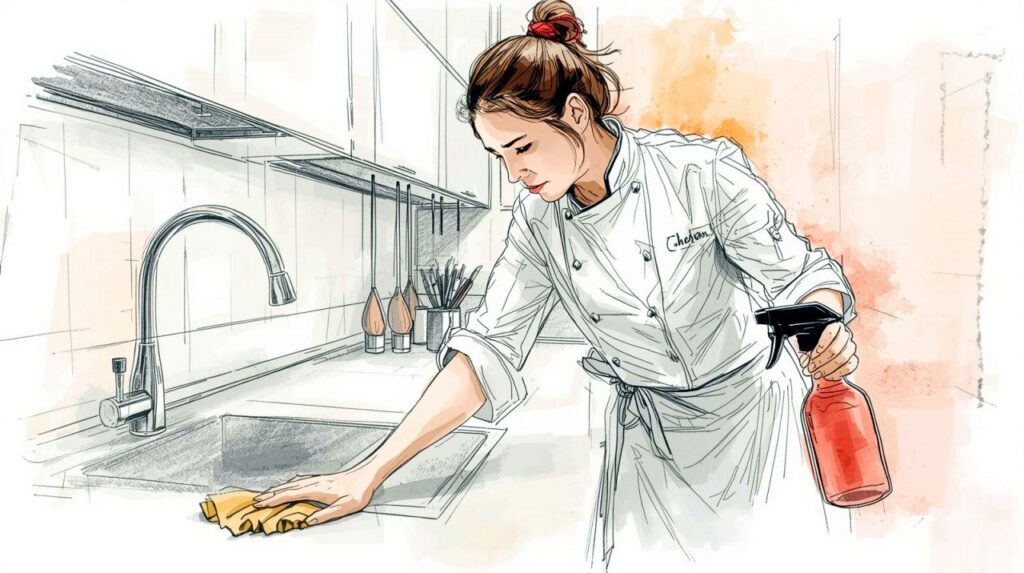
You don’t need to capture the whole market. You just need to serve the busy professionals, families, and seniors who are tired of takeout and need your help. If you can roast a chicken perfectly and leave a kitchen cleaner than you found it, you have a highly monetizable skill.
Bridge the Gap Between Talent and Business
If you’ve realized your cooking is ready for the professional world, the next step is the business mechanics. This is where many chefs stumble—not in the kitchen, but in the paperwork.
The difference between a hobbyist and a professional is contracts, pricing, and marketing. You need to know how to price your services so you earn what you’re worth, and how to find the clients who value your specific style.
Don’t let the business side scare you away from your dream career. Whether you need help with contracts or finding your niche, BecomeAPersonalChef.com offers the tools and guidance to turn your practical talent into a genuine, profitable career.
Stop waiting for “one more certification.” There are clients waiting for exactly what you can bring to the table right now.