Is Your Cooking Good Enough to Sell? The Truth About Practical Talent
When most people hear the word chef, they picture competition shows, tweezers placing microgreens, and an endless chase for perfection. That image has done real damage—because it convinces capable home cooks that unless they’re elite, they shouldn’t charge for their work.
You look at your food—solid, flavorful, dependable—and think, “It’s good… but not professional.”
The market disagrees.
The personal chef industry is quietly booming, with thousands of chefs serving tens of thousands of clients across the U.S. And here’s the part few culinary schools emphasize: most of these businesses are not built on culinary theatrics. They’re built on consistency, reliability, and time savings.
People aren’t paying for perfection. They’re paying for relief.
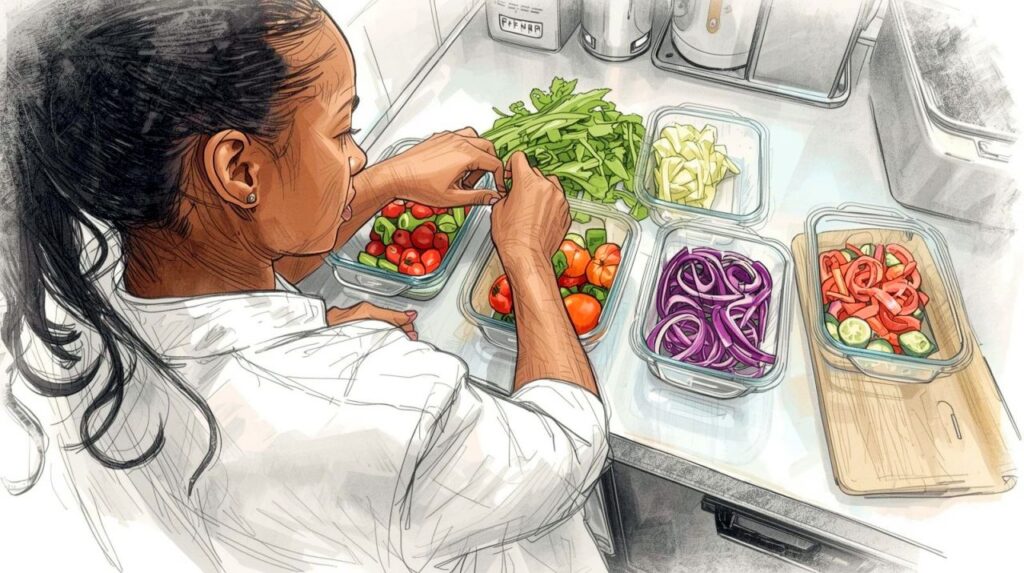
Practical Talent vs. Artistic Perfection
We often confuse skill with mastery. In a service business, mastery isn’t about knowing everything—it’s about doing a specific thing well, over and over, for someone who needs it.
That’s practical talent.
In personal cheffing, practical talent looks very different from restaurant prestige. It’s not about impressing strangers once. It’s about serving the same client week after week without friction.
Practical talent shows up as:
- Adaptability: Adjusting meals for allergies, preferences, or diet changes
- Reliability: Arriving when you said you would and delivering every time
- Comfort: Cooking food people actually want on a Wednesday night
If you can cook dependable meals, respect dietary needs, and leave a kitchen cleaner than you found it, your skill is already monetizable.
Clients are not buying a foam or a flourish.
They’re buying back their time.
Why “Good Enough” Wins in the Real World
New entrepreneurs often believe they must be the best to deserve a business. In reality, “best” is subjective—and usually irrelevant.
What matters is solving the right problem.
- The problem: A busy professional wants to eat well but has no time or energy to cook
- The flashy solution: A complex, expensive, high-effort dining experience
- The useful solution: A fridge stocked with healthy meals that reheat beautifully
The useful solution wins—every time.
Many successful personal chefs don’t compete on range or technique. They compete on focus. Some build businesses around vegan meals. Others around family-friendly food, medical diets, or cultural comfort cooking. They’re not trying to do everything. They’re solving one problem exceptionally well.
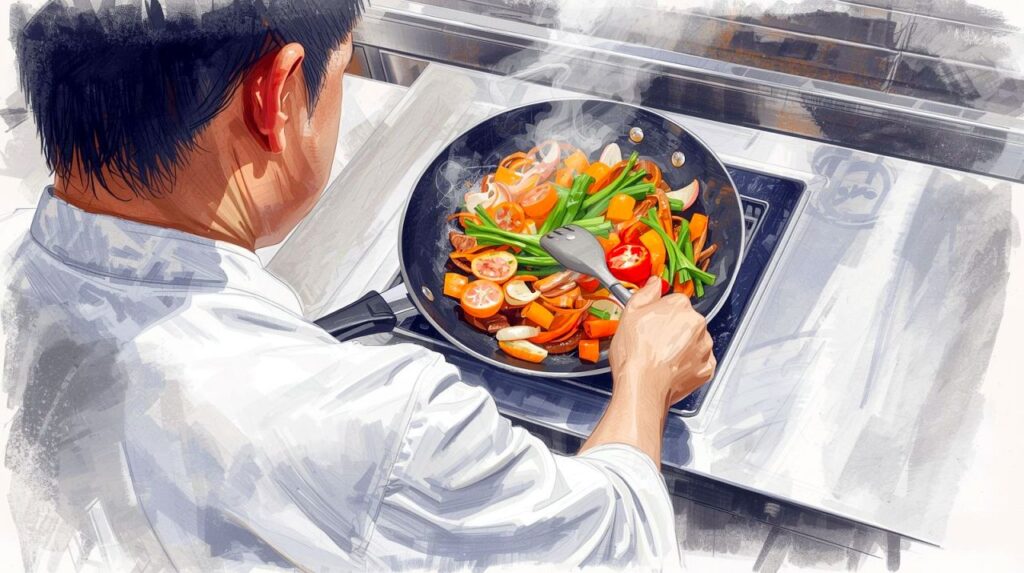
Consistency Beats Complexity
Long-term success doesn’t come from being impressive once. It comes from being trusted.
Clients forgive simple menus.
They do not forgive unreliability.
A chef who cooks beautifully but cancels, runs late, or complicates the process won’t last. A chef who delivers tasty, familiar food on schedule will stay booked for years.
Practical talent prioritizes:
- Food safety
- Clean systems
- Predictable delivery
- Professional boundaries
That’s what keeps clients—and referrals—coming back.
Proof Is Everywhere
Look at the chefs who thrive outside traditional culinary hierarchies.
Some build entire businesses around heritage cooking—meals rooted in memory, not innovation. Others specialize in allergy-safe kitchens, where precision and trust matter more than flair.
In these cases, the value isn’t culinary showmanship.
It’s usefulness.
Clients don’t care if you can make a soufflé.
They care if they can eat safely, consistently, and without stress.
That is talent the market happily pays for.
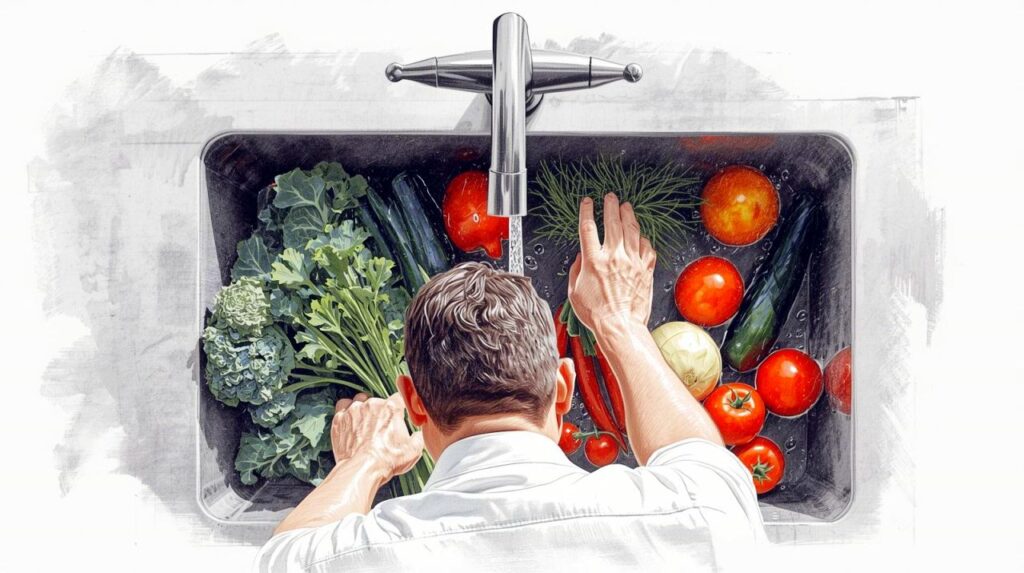
The Market Is Already Asking
Demand for personalized food services continues to grow because modern life creates the same pressure everywhere: people want to eat better and think about food less.
The biggest client groups aren’t chasing luxury—they’re chasing relief:
- Busy professionals who need weekday fuel
- Families who want nutritious meals their kids will eat
- Seniors managing health through food
None of them are asking for perfection.
They’re asking for help.
If you can provide that help, you already have the foundation of a business.
Turning Skill Into Structure
Realizing your talent is “good enough” is only step one. The next challenge is turning that skill into a system.
This is where many cooks get stuck—not because they lack talent, but because they lack structure. Pricing, boundaries, contracts, and positioning matter more than most expect.
As Louie Montan—who spent years handling the business side of a personal chef operation—often points out: cooking is usually the easiest part. The business is what determines whether the work is sustainable.
If you’re curious how this looks in practice, BecomeAPersonalChef.com offers practical tools and free resources to explore personal cheffing as a real career—not a fantasy.
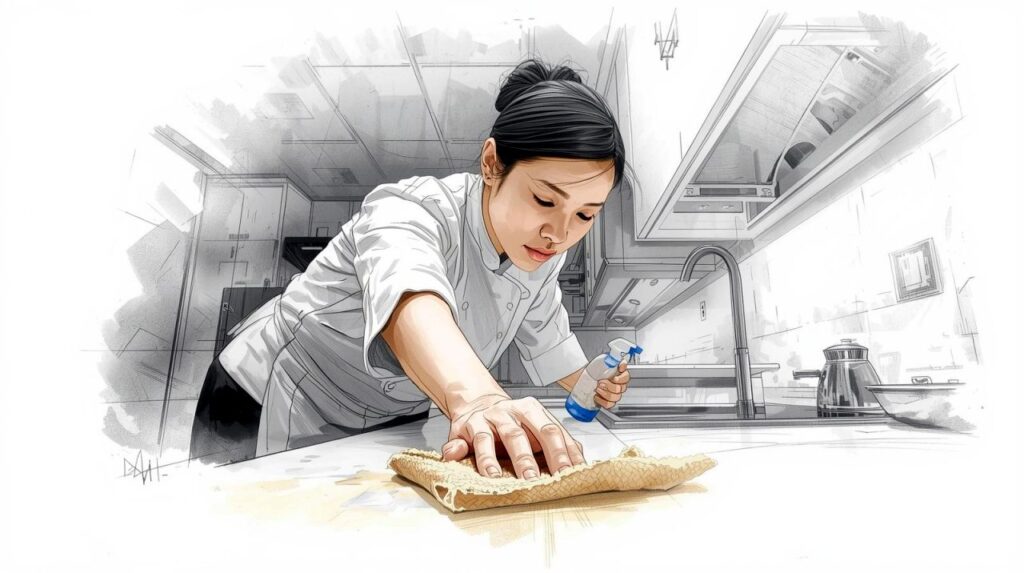
You’re Not “Almost Ready.” You’re Ready.
Waiting for perfection is a comfortable delay tactic.
While you’re telling yourself you need one more credential, someone else is eating overpriced takeout and wishing they had your cooking in their fridge.
Practical talent—showing up, cooking well, and solving a daily problem—is rare. It’s valuable. And it’s already enough.
You don’t need to be extraordinary to start.
You need to be useful.
And you already are.