It’s 2:00 PM on a Tuesday.
You’re in a meeting. Slides are advancing. Someone is talking about projections.
And your mind is somewhere else entirely.
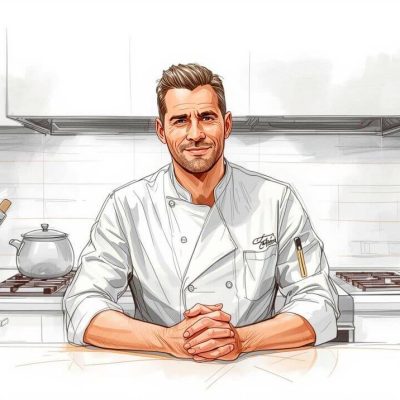
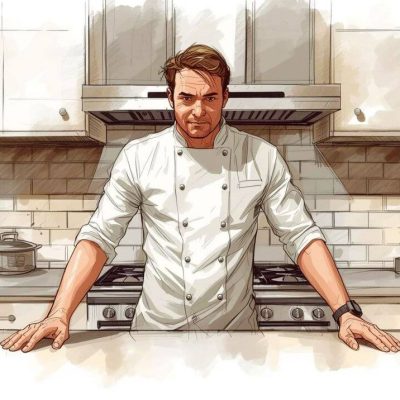
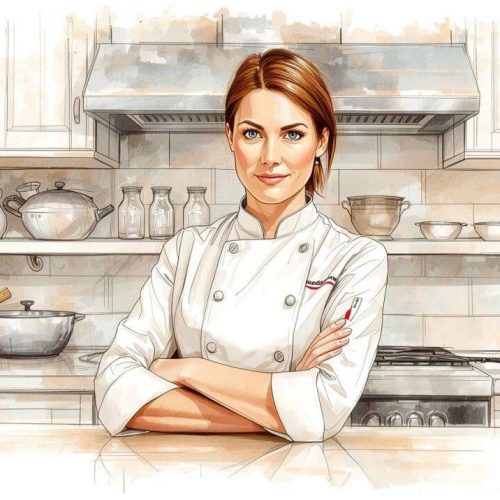
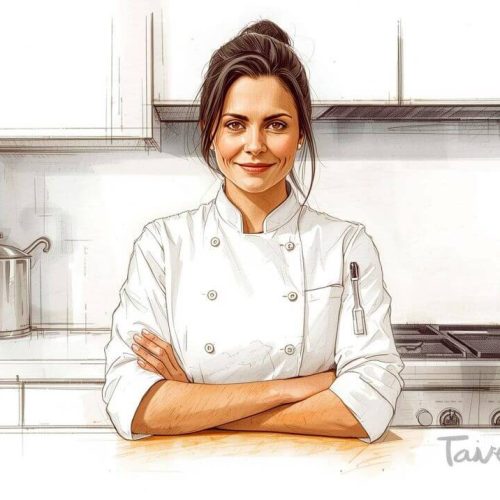
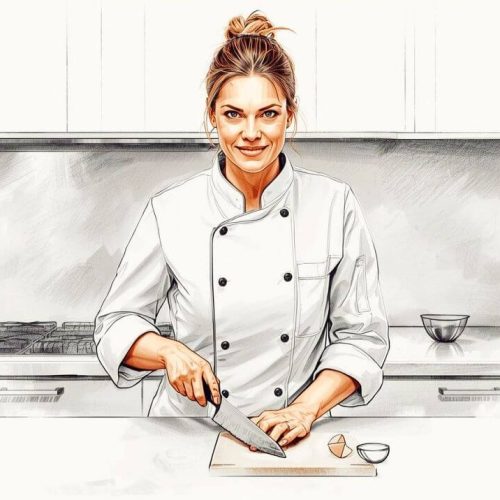
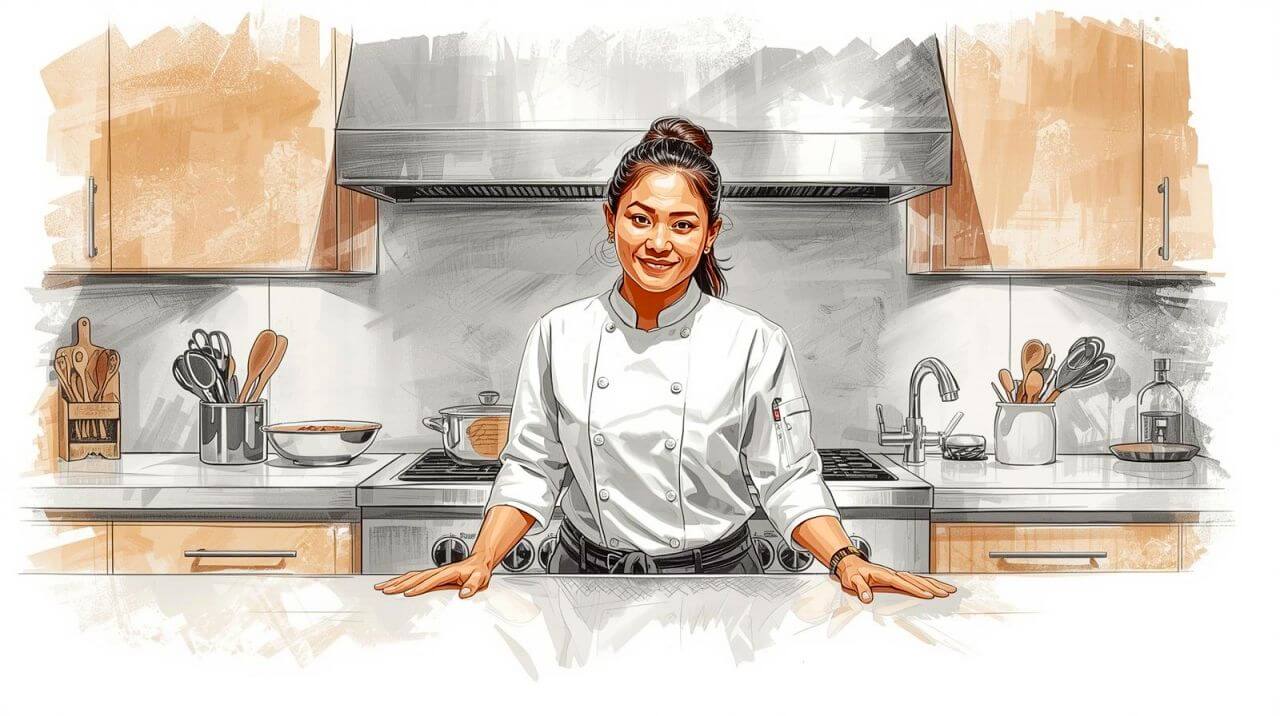
You’re chopping herbs. You’re tasting a sauce. You’re plating something simple that actually looks good.
You catch yourself and think, Get it together.
You call it distraction. Lack of focus. A bad attention span.
But recurring thoughts like this aren’t random.
They’re signals.
When the same alternative life keeps resurfacing—especially one that involves creating something tangible—it’s worth asking why. Not dismissing it. Not romanticizing it. Just examining it honestly.
For many people, especially those drawn to food, those thoughts point toward something specific: a desire for autonomy, usefulness, and visible results. That’s why personal cheffing keeps showing up—not as a fantasy, but as a viable alternative.
Why Certain Careers Keep Pulling at You
People don’t daydream equally about all jobs.
They daydream about roles where effort leads directly to outcome.
Cooking, writing, building, crafting—these pursuits share a common trait: when you’re done, something exists. You can see it, taste it, hand it to someone else.
That’s a sharp contrast to most modern work.
Emails disappear. Meetings evaporate. Projects stretch on without closure. Even success can feel abstract.
In the kitchen, the feedback loop is immediate.
You cook. Someone eats. Something improves.
That clarity is powerful.
These “daydream careers” often signal three unmet needs:
- Autonomy: deciding how work gets done
- Mastery: improving a real skill instead of navigating politics
- Meaning: seeing your effort directly help someone
When those needs go unmet for long enough, your mind looks for exits.
Why Food Keeps Showing Up
Food fantasies aren’t about becoming famous or opening a restaurant. They’re about usefulness.
Cooking is one of the few skills that solves a daily problem. Everyone eats. Everyone runs out of time. Everyone feels better when food is handled.
That’s why personal cheffing has quietly expanded beyond luxury.
It’s no longer about extravagance.
It’s about relief.
The Personal Chef Shift Is Already Underway
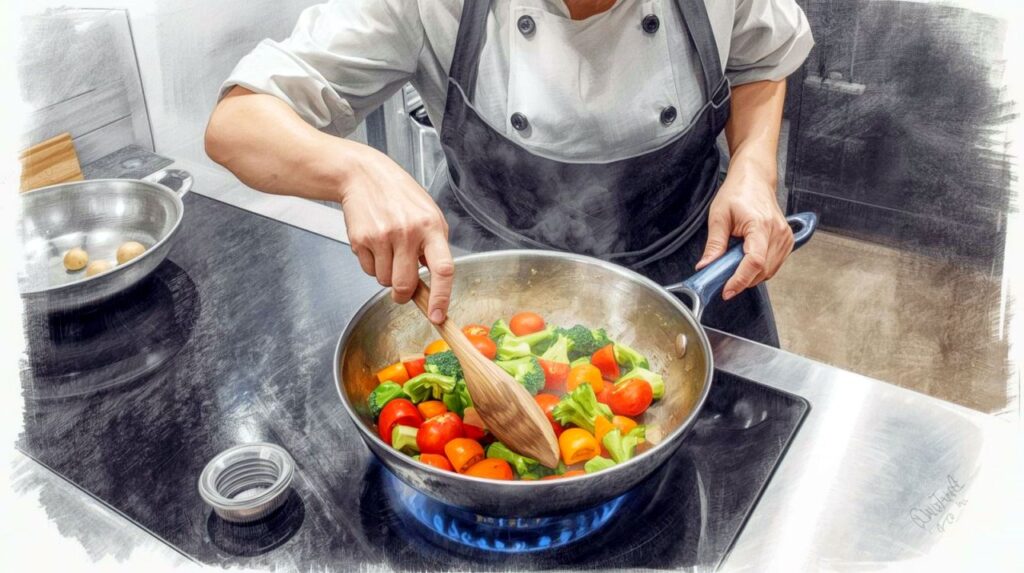
Personal cheffing used to sound niche. Today, it’s practical.
The U.S. personal chef market has grown into a multi-billion-dollar industry, driven by people who want to eat better without adding more decisions to their day.
This growth isn’t fueled by trends—it’s fueled by pressure.
People are busier. Health matters more. Cooking hasn’t gotten easier.
So they outsource it.
Who Actually Hires Personal Chefs?
Not celebrities. Not elites.
Everyday clients like:
- Professionals who want weekday meals handled
- Families who want consistent dinners without chaos
- Health-focused clients managing diets or restrictions
- Seniors who want to stay independent
None of them are asking for culinary theater.
They want food they can trust.
Is This a Fantasy—or a Fit?
A daydream becomes dangerous only when it’s vague.
Turning it into something real means asking better questions.
Do you enjoy the process—or just the idea?
Personal cheffing isn’t about cooking one impressive meal. It’s about repeating good decisions in unfamiliar kitchens, adapting to preferences, and staying organized.
You don’t need to love spectacle.
You need to like service.
Does the lifestyle actually appeal to you?
This work offers flexibility—but only if you manage yourself well. You choose clients. You set boundaries. You also handle scheduling, pricing, and communication.
Freedom comes with responsibility.
Is the risk manageable?
Compared to restaurants, the barrier to entry is low. No lease. No staff. No dining room.
The real challenge isn’t cost—it’s structure.
Pricing properly. Defining scope. Saying no when necessary.
How People Actually Get Started
No culinary pedigree required.
But legitimacy matters.
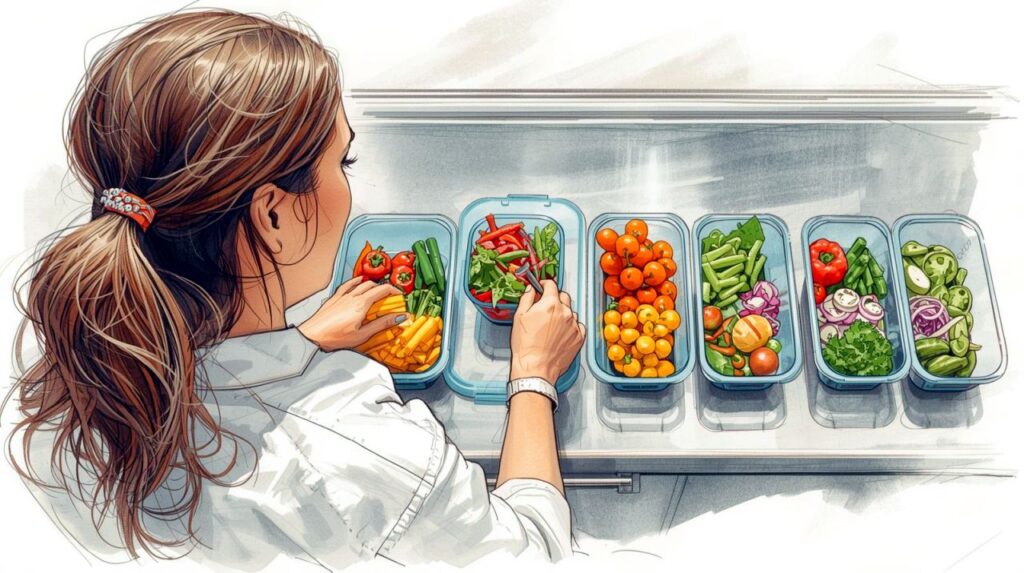
Foundational steps usually include:
- Food safety certification
- Business registration and permits
- Liability insurance
- Clear service definitions
From there, progress comes faster when chefs stop marketing “cooking” and start marketing solutions.
The most stable businesses niche early—by diet, lifestyle, family type, or cuisine—because clarity attracts better clients.
What Those Daydreams Are Really Saying
That Tuesday afternoon drift isn’t telling you to quit tomorrow.
It’s telling you something important is missing.
Meaning. Autonomy. Tangible progress.
Personal cheffing isn’t the only answer—but it’s one of the few paths where those needs are built into the work itself.
Thousands of people have already crossed this bridge quietly, without fame or fanfare, and built solid, sustainable careers doing work that feels real again.
If you want to explore what that path actually looks like, the free guides and bookstore at Become A Personal Chef are designed to help you think clearly—not impulsively.
You don’t have to act today.
But you should stop ignoring the signal.
Your mind isn’t wandering by accident.