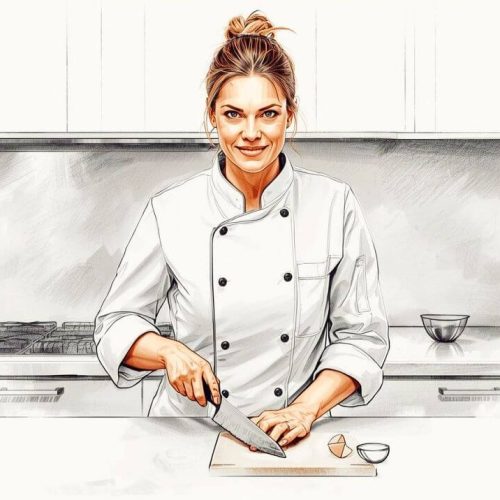
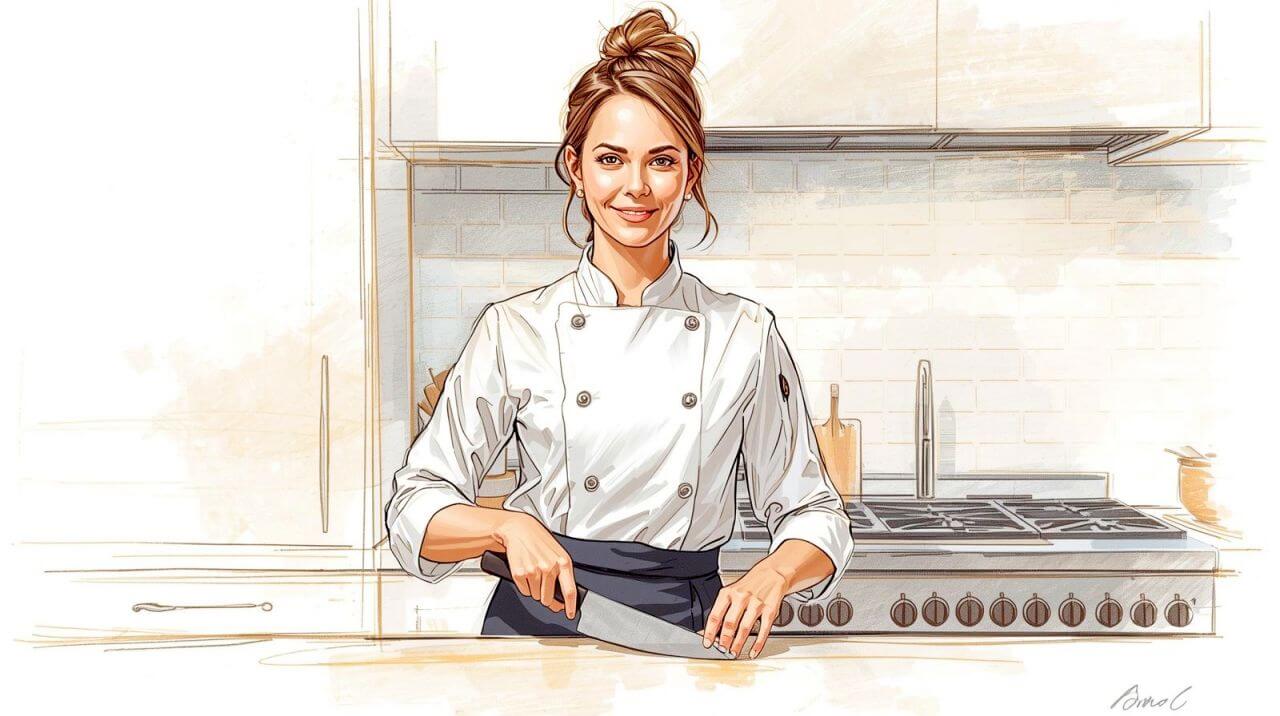
For Chefs Who Want Longevity
The rush of a Friday night service gets into your blood.
The heat. The noise. The rhythm of the line firing in sync. For a long time, it feels unbeatable.
Until it doesn’t.
At some point, the 14-hour shifts, missed holidays, and physical wear stop feeling like dues paid and start feeling like debt. You still love cooking—but you’re no longer sure you can survive the lifestyle that comes with it.
If you’ve ever stared at the ceiling after a double, wondering whether there’s a future that doesn’t involve hanging up your apron entirely, you’re not alone.
There is a life after the line. And for chefs who want longevity, income stability, and creative control, personal cheffing has become one of the clearest paths forward.
The Industry Has Changed—Quietly
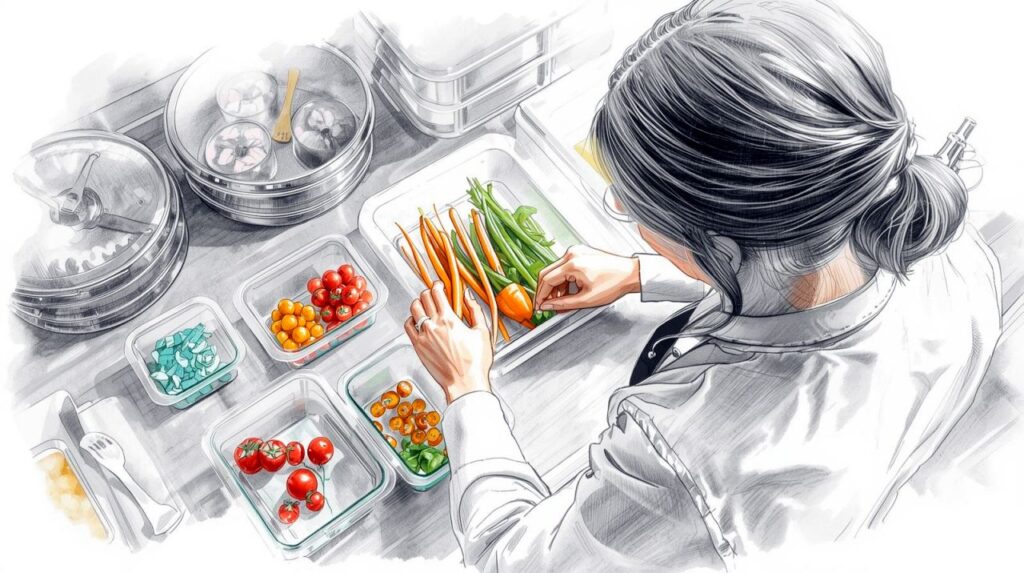
Personal cheffing is no longer a novelty reserved for celebrities and estates. It has shifted into a practical service model driven by modern life.
Busy professionals don’t have time to cook.
Families want consistent, healthy meals.
Seniors want nutrition without losing independence.
That demand has created real opportunity.
Industry groups estimate thousands of personal chefs across the U.S. serving tens of thousands of clients—with growth projected to continue. More importantly, the work itself has diversified. This isn’t one job anymore; it’s many niches.
Customization Is the Advantage
Restaurants struggle with specificity during service. Personal chefs thrive on it.
- Gluten-free, allergy-safe kitchens
- Keto, vegan, or medically guided meals
- Cultural or heritage cooking done consistently
Customization isn’t a burden here—it’s the business model.
Technology Lowered the Barrier
Scheduling tools, invoicing software, and simple digital marketing have removed much of the friction that used to stop chefs from going independent. You spend less time buried in admin and more time doing what you actually trained for.
Cooking.
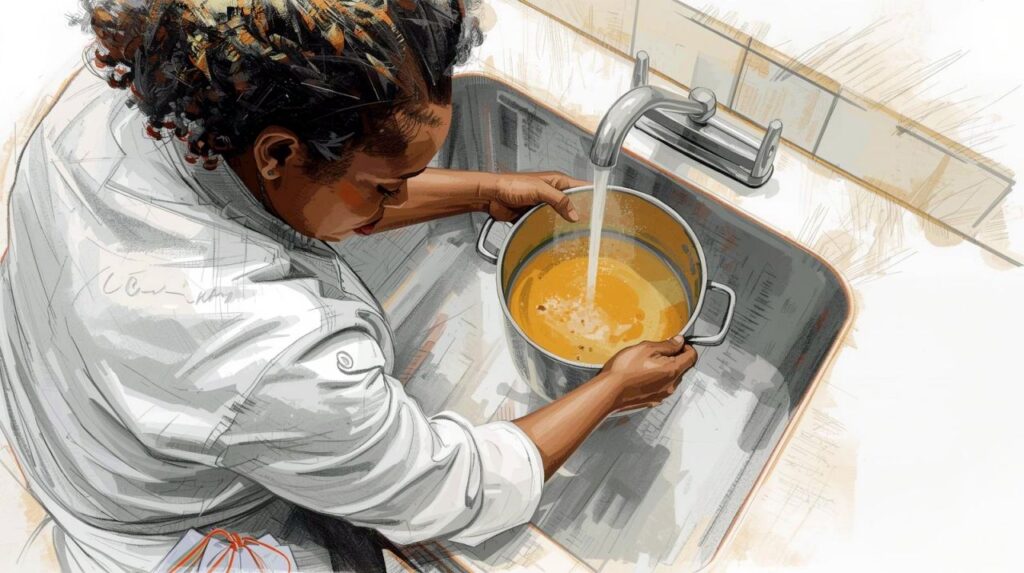
You Already Have the Hardest Skills
Leaving the line doesn’t mean starting over.
The speed, discipline, palate, and problem-solving instincts you built in restaurants transfer directly. What changes isn’t your competence—it’s your role.
You’re no longer executing someone else’s menu at scale.
You’re designing systems that serve real people repeatedly.
That shift does require new muscles.
Skills That Matter in Private Work
- Menu planning: balancing variety, cost, and client preferences
- Time control: shopping, prep, cooking, packaging, and cleanup—solo
- Client communication: clarity, trust, and boundaries matter as much as flavor
You move from back of house to front-facing professional. The craft stays. The context changes.
Legitimacy Is Non-Negotiable
Longevity requires professionalism.
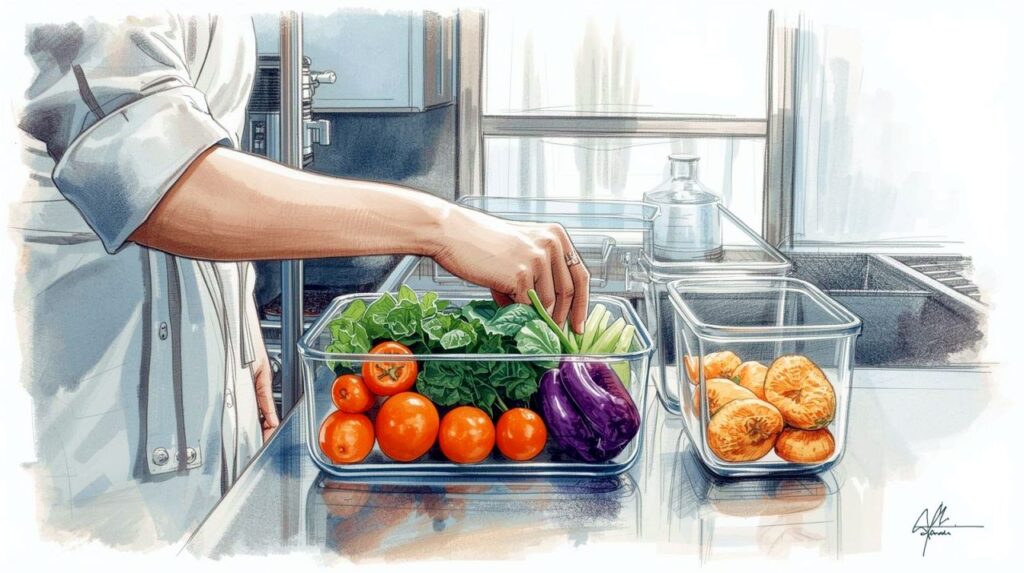
That means business registration, insurance, and food safety certification. Associations can help with credibility, but structure is what protects you—from liability, burnout, and underpricing.
This is a business. Treat it like one.
The Real Shift: From Employee to Owner
For many chefs, the hardest adjustment isn’t cooking—it’s visibility.
You can make flawless food, but independence requires you to be known.
Define a Clear Identity
Generalists blend in. Specialists get hired.
Are you the family meal prep chef?
The nutrition-focused performance chef?
The intimate dinner experience expert?
A clear niche makes marketing simpler and pricing stronger.
Trust Is Your Currency
Most personal chefs grow through referrals.
- Share your work visually and honestly
- Build local partnerships with gyms, nutritionists, or markets
- Make it easy—and rewarding—for clients to recommend you
People don’t just hire skill. They hire confidence and consistency.

What Longevity Actually Looks Like
Leaving restaurants doesn’t mean abandoning ambition.
It means redirecting it.
Instead of chasing covers, you build relationships.
Instead of burning weekends, you choose capacity.
Instead of breaking your body, you protect it.
For chefs who want to keep cooking and keep living, this path offers something restaurants rarely do: sustainability.
If you want chef-focused resources on pricing, contracts, niches, and transition planning, Become A Personal Chef was built specifically for this stage of your career.
You don’t have to quit tomorrow.
You don’t have to “downgrade” your skill.
You just have to accept this truth:
The line doesn’t have to be the end of your story—but it doesn’t have to be your forever either.