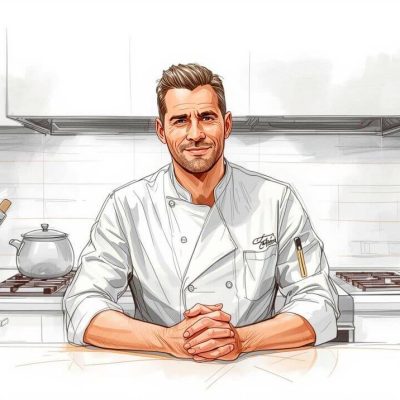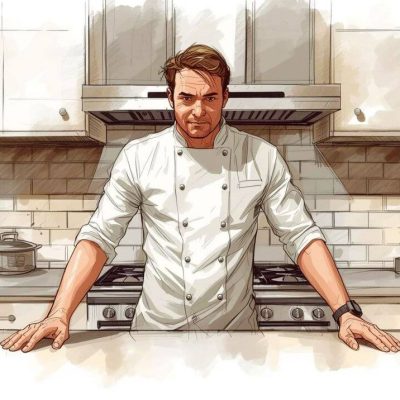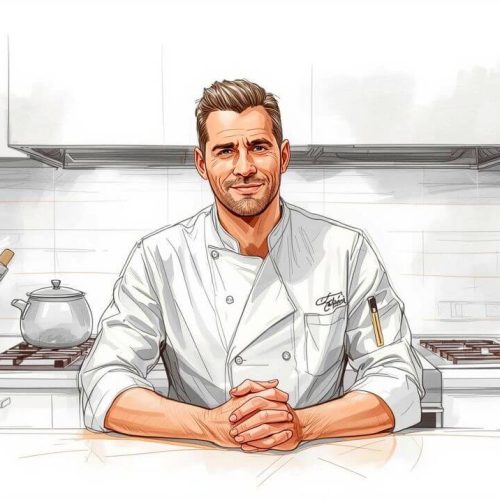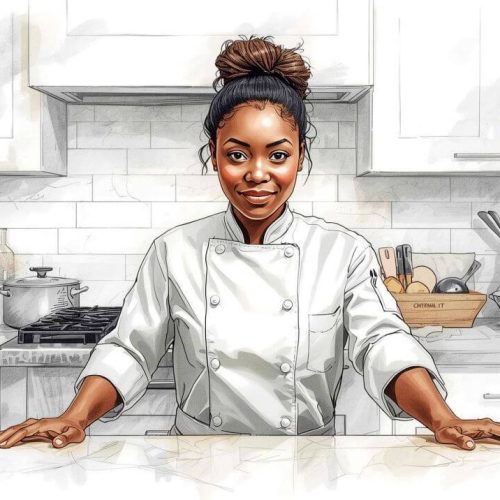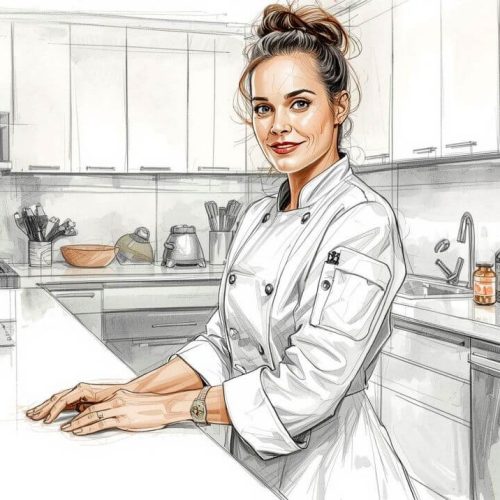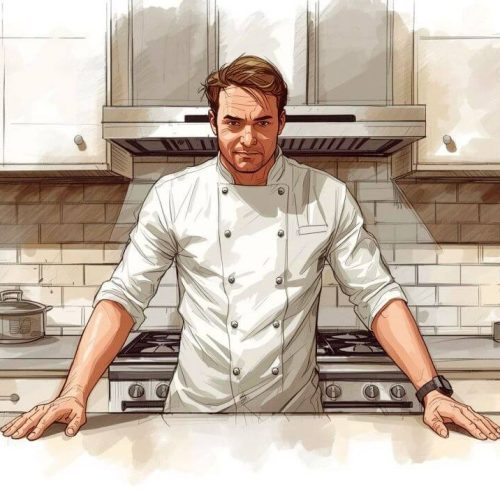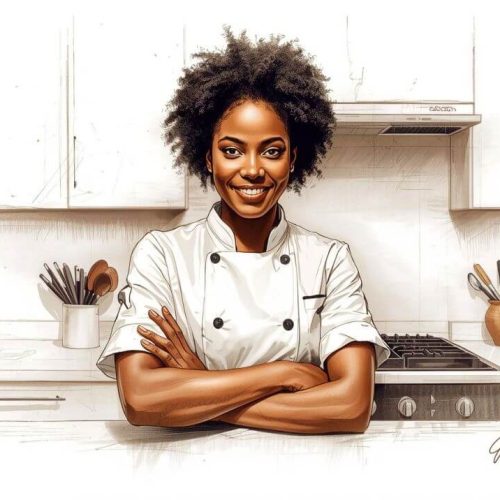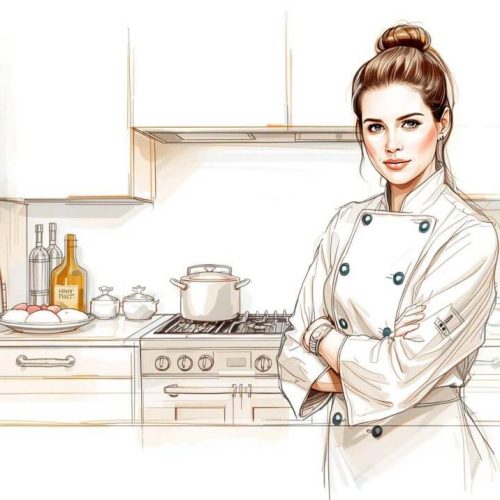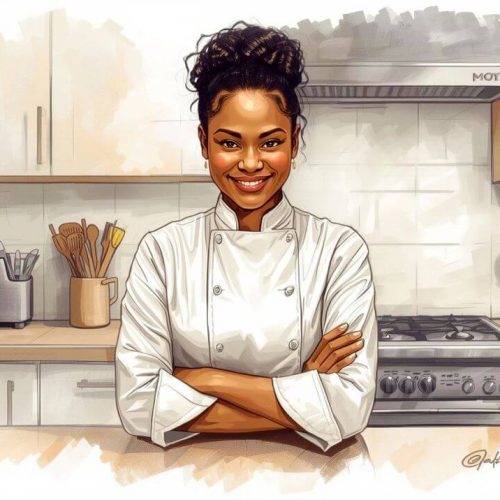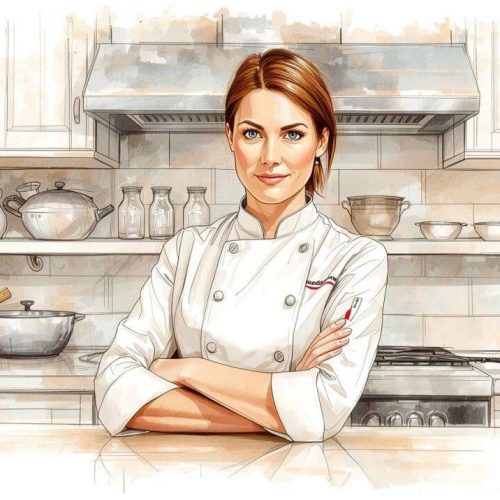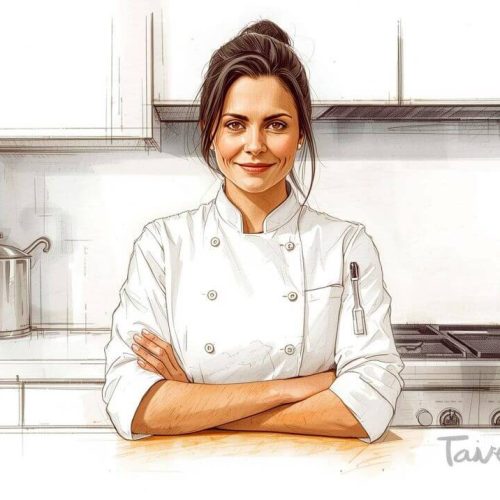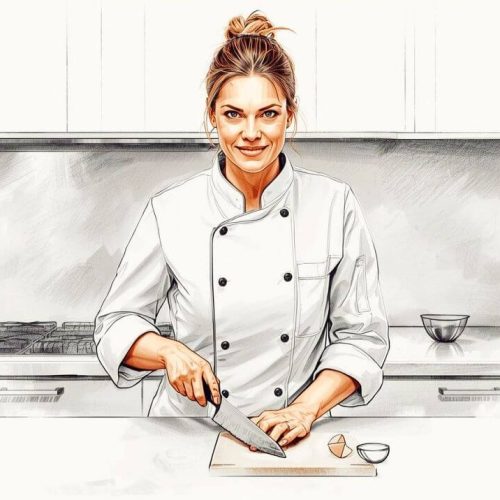
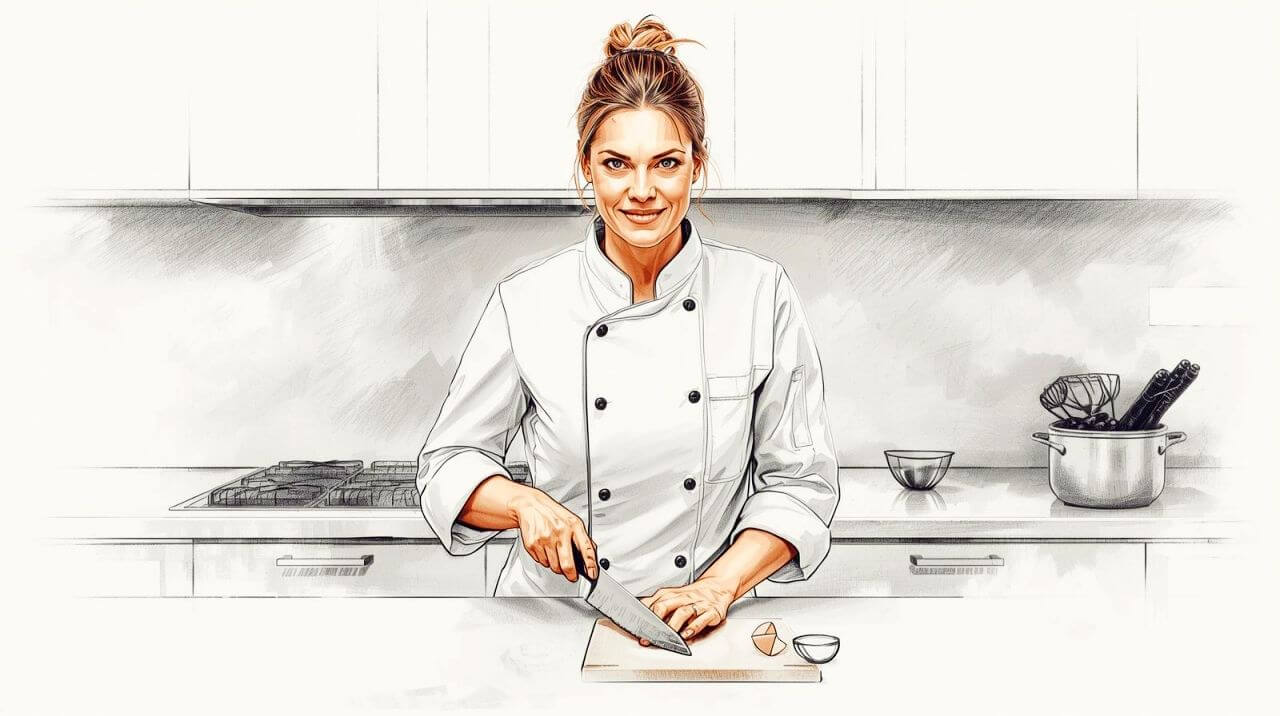
For a long time, the image of a “real” chef was rigid: white jacket, tall hat, and years spent grinding on a hot line under constant pressure. That image did real damage. It convinced capable home cooks, wellness professionals, and food-savvy caregivers that without restaurant scars, their skills didn’t count.
But the culinary world has changed.
Restaurants still value speed, repetition, and hierarchy. Private homes value something entirely different: consistency, care, and trust. And that shift has opened the door for a new kind of professional—one who cooks for people, not for volume.
You don’t need to survive a brigade system to cook professionally anymore. In many cases, restaurant training is the wrong preparation for the work personal chefs actually do.
The Rise of a Different Kind of Culinary Career
Personal cheffing has moved far beyond its old reputation as a luxury service for the wealthy. Today, it’s a practical solution for busy families, health-focused professionals, and seniors who want to eat well without managing every detail themselves.
This shift is driven by a simple reality: people don’t just want food—they want time back, dietary confidence, and fewer daily decisions. That demand has created a massive market for chefs who understand nutrition, organization, and reliability more than theatrical plating or speed service.
In other words, the industry now rewards usefulness over pedigree.
Why Restaurant Skills Aren’t the Gold Standard Anymore
The assumption that restaurant experience is required for personal cheffing misses a key point: these are different jobs.
Speed vs. Consistency
Restaurants optimize for speed and replication. Personal chefs optimize for reliability and adaptation. You’re cooking for the same people repeatedly, adjusting to preferences, schedules, and health needs over time.
Hierarchy vs. Relationship
Restaurant kitchens run on rank. Personal cheffing runs on trust. You’re often in a client’s home, managing their food for the week, sometimes their health. Your value isn’t authority—it’s dependability.
Repetition vs. Food Knowledge
Line cooks master repetition. Personal chefs need range: ingredient quality, dietary nuance, safe storage, and menu balance. Knowing why food works matters more than how fast you can execute a single dish.
Who Thrives Without a Culinary Degree?
Because the work has changed, the background of successful personal chefs has changed too.
Fitness Professionals & Health Coaches
You already manage performance and recovery. Food is the missing link. Translating macros and meal plans into actual meals is where many clients struggle—and where you can add enormous value.
Nutritionists & Diet-Focused Practitioners
Theory doesn’t help clients if they can’t cook. Personal cheffing turns nutritional advice into lived reality, closing the gap between recommendation and execution.
Skilled Home Cooks
If you can plan menus, manage a budget, adapt to preferences, and leave a kitchen spotless, you already have the core competencies. Running a household is often better preparation than running a station.
What Credentials Actually Matter
You don’t need culinary school—but you do need legitimacy.
Trust is the currency of personal cheffing.
That means:
- Food safety certification (non-negotiable)
- Clear sanitation and storage practices
- Insurance and basic business structure
Professional organizations can help with education and credibility, but safety and consistency matter far more than titles. Clients care less about where you trained and more about whether they can trust you with their family’s food.
Business Skills Matter More Than Knife Skills
Modern personal cheffing is entrepreneurship.
Successful chefs understand:
- how to price for value, not hours
- how to structure services clearly
- how to communicate boundaries
- how to market a specific niche
This is where many restaurant-trained chefs struggle—and where non-traditional chefs often excel.
Technology helps too. Scheduling tools, client profiles, delivery logistics, and even virtual cooking services allow chefs to run lean, controlled businesses instead of chaotic ones.
A Professional Path That Matches Real Life
Personal cheffing isn’t a fallback for people who “couldn’t make it” in restaurants. It’s a different profession entirely—one designed around health, consistency, and autonomy.
You set your hours.
You choose your clients.
You see the impact of your work immediately.
If you’re serious about food, people, and running something of your own, the absence of a culinary degree is not a barrier—it’s often irrelevant.
If you want practical frameworks for turning food knowledge into a legitimate business, you’ll find clear, grounded resources at Become A Personal Chef—built specifically for people who know how to cook but want to do it professionally, without pretending they’re someone they’re not.
Professional cooking isn’t defined by where you learned.
It’s defined by how reliably you serve.