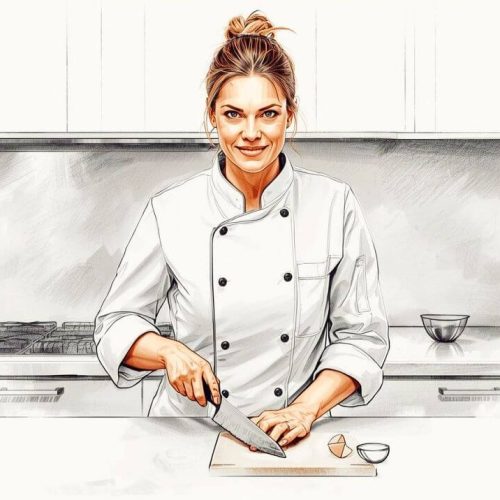
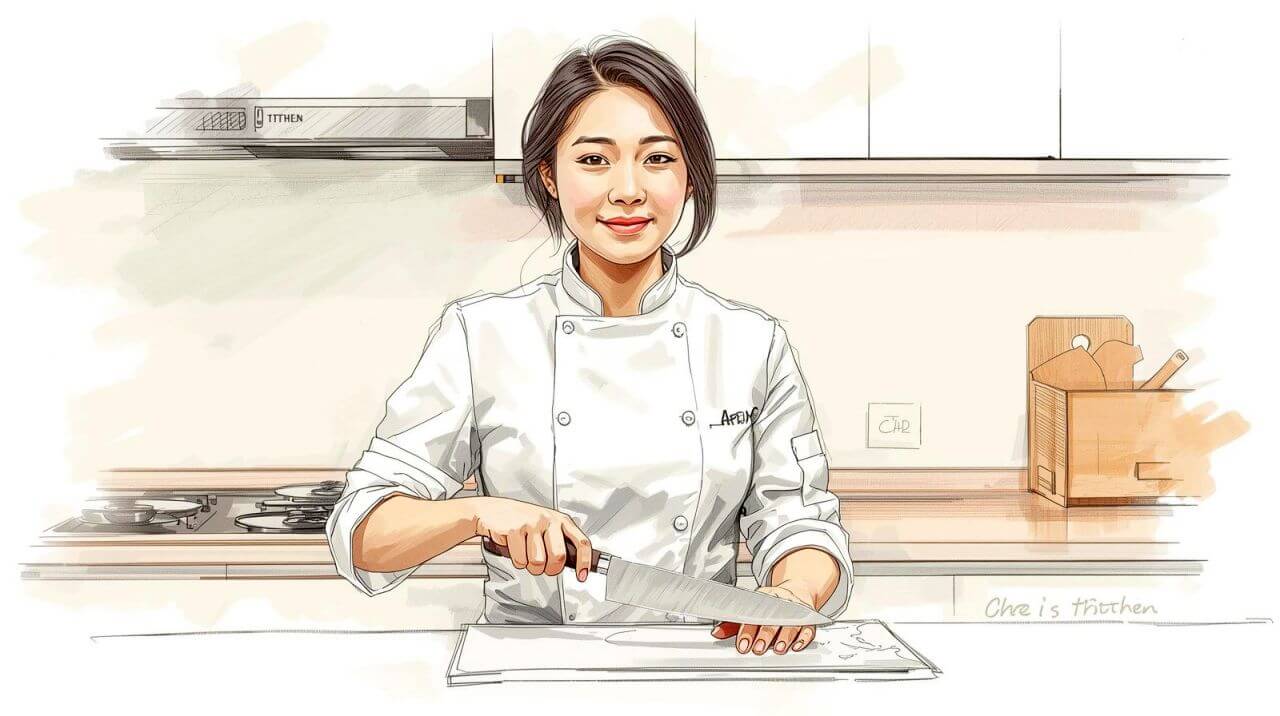
When Cooking Isn’t Just a Hobby Anymore
There’s a specific moment every serious home cook recognizes. It’s not when you perfectly execute a soufflé or when you finally master the five mother sauces. It’s the moment you realize that your love for food has quietly crossed a line. It stops being just a way to feed yourself and starts becoming a solution for everyone around you.
Maybe you’re the person friends text at 4 PM asking what to do with a chicken breast and a lemon. Maybe you’re the one planning the entire menu for your sister’s baby shower because the caterer options felt “uninspired.” Or perhaps you’ve noticed that while others view dinner prep as a chore, you see it as the best part of your day.
If you are nodding along, you aren’t just a hobbyist anymore. You possess a high-value skill set that solves a painful problem for busy people: the need to eat well without the time to make it happen. This article explores that transition—the pivot point where passion meets profession—and why becoming a personal chef is the most natural next step for skilled cooks ready to take themselves seriously.
The Transition from Hobby to Profession
Cooking is one of the few hobbies that is also a survival skill, which makes the line between “amateur” and “pro” blurry. However, the shift from hobbyist to professional isn’t defined by a culinary school degree or a Michelin star. It is defined by value.
A hobby is something you do for your own enjoyment. A profession is something you do that provides value to others. The transition happens when your cooking stops being about your entertainment and starts being about service.
We live in an era where time is the ultimate luxury. According to the Bureau of Labor Statistics, the average American spends less than 37 minutes a day on food preparation and cleanup. Yet, the desire for nutritious, home-cooked meals hasn’t disappeared; it has actually increased. This gap between desire and capacity creates a massive opportunity. When your skills can fill that gap, you are no longer just “good at cooking.” You are a problem solver.
Recognizing the Value in Your Cooking Skills
It is easy to undervalue what comes naturally to us. If chopping vegetables and balancing flavors feels like second nature to you, you might assume it’s easy for everyone. It isn’t.
To a busy executive, a parent with a child who has celiac disease, or a senior citizen who can no longer stand by the stove for an hour, your ability to plan, shop, and cook is a superpower.
Identifying the Problems You Solve
To understand your professional value, stop looking at your food and start looking at the relief it provides.
- The Problem of Time: For high-income professionals, the hours spent grocery shopping and cooking are hours lost from work or family. You sell them time back.
- The Problem of Health: For clients with specific dietary needs (keto, vegan, gluten-free, heart-healthy), navigating a restaurant menu is stressful. You provide safety and customization.
- The Problem of Stress: The mental load of “what’s for dinner?” is exhausting. You sell peace of mind.
The beauty of personal cheffing is its inherent flexibility. Unlike the grueling hours of a restaurant line cook, a personal chef service allows you to leverage your specific strengths to solve specific problems. You don’t have to cook everything for everyone; you just have to cook the right food for the right people.
The Rise of Personal Cheffing
Ten years ago, the term “personal chef” conjured images of celebrities and billionaires. Today, it is a practical service for the upper-middle class, busy families, and health-conscious individuals. The industry has democratized, and the demand is surging.
This growth is driven by a cultural shift. We are more aware of what we eat than ever before, but we are also busier than ever before. The restaurant industry can’t fully solve this because restaurant food is designed for indulgence, not daily sustenance. Meal kits attempt to solve it, but they still require labor and cleanup.
Market Growth and Statistics
The personal chef industry is no longer a niche luxury. According to the American Personal & Private Chef Association (APPCA), there are approximately 9,000 personal chefs in the United States serving roughly 72,000 clients. What is even more compelling is the trajectory: these numbers are expected to double in the next five years.
This isn’t just about private dinners. The market has splintered into profitable niches, including:
- Weekly Meal Prep: Stocking a client’s fridge for the week.
- Specialized Diets: Catering to specific health issues like liver disease or obesity.
- Small Event Catering: Intimate dinner parties where the host wants to enjoy the party, not manage the oven.
The financial upside is real. Because overhead is low (you often cook in the client’s kitchen or your own inspected facility) and inventory is bought with the client’s money, the profit margins in personal cheffing are significantly higher than in traditional catering or restaurant work.
Steps to Transition to Personal Cheffing
So, how do you move from the “friend who cooks well” to the “paid professional”? It requires shifting your mindset from creative artist to business owner.
1. Education and Certification
While you don’t need a culinary degree to be a personal chef, you do need credibility. Clients are trusting you with their health and their homes. Organizations like the United States Personal Chef Association (USPCA) and the APPCA offer training tracks that cover the business side of things—contracts, insurance, and liability.
Crucially, you must understand food safety. A ServSafe certification (or your local equivalent) is non-negotiable. It signals to clients that you understand hygiene, cross-contamination, and safe storage temperatures.
2. Building a Brand
Your brand isn’t just your logo; it’s your promise. Are you the “Farm-to-Table Family Chef”? The “High-Performance Athlete Fueler”? Or the “Comfort Food for Seniors” expert?
Successful personal chefs rarely try to be generalists. They find a niche. By specializing, you become the go-to expert for a specific type of client. This makes marketing easier because you know exactly who you are talking to and what problems they need you to solve.
3. Effective Marketing and Networking
You don’t need a Super Bowl ad. You need to be visible where your clients are.
- Word of Mouth: This is the lifeblood of the industry. Encourage your first few clients to refer you.
- Local SEO: Ensure your website appears when someone types “personal chef near me.”
- Partnerships: Network with nutritionists, personal trainers, and event planners who can refer clients to you.
4. Pricing for Profit
The biggest mistake new chefs make is underpricing. Do not charge based on what you would pay; charge based on the value you provide. You aren’t just charging for the chicken; you are charging for the menu planning, the driving, the shopping, the cooking, the packaging, the cleaning, and the years of experience that ensure the chicken isn’t dry.
Turning Passion into a Career
The leap from hobbyist to professional is less about ability and more about audacity. It is the audacity to believe that your skills are worth paying for.
The market data is clear: the personal chef industry is growing. The client need is clear: people are hungry for healthy, convenient, homemade food. The only missing variable is you.
If you have spent years honing your palate and perfecting your techniques, you have already done the hard part. The rest—the contracts, the marketing, the business structure—is just a new recipe to learn. And as a cook, you know exactly how to follow a recipe.
If this sparked something you’ve been quietly thinking about, you’ll find deeper guidance, free resources, and real-world examples at BecomeAPersonalChef.com—a hub built specifically for people ready to take their cooking skills seriously.
Meta data
Meta title
When Cooking Isn’t a Hobby: How to Become a Personal Chef
Meta description
Is your cooking hobby solving problems for others? Discover why skilled home cooks are transitioning to personal cheffing and how to start your own business.
Sources