Introduction: The Allure of Becoming a Personal Chef
The idea of becoming a personal chef has a quiet pull.
It’s not the spotlight. It’s not the hustle. It’s the thought of cooking real food for real people—and having it actually matter. Of working directly with clients instead of feeding a system that never quite fits. Of building something that supports a life, not just a schedule.
But right behind that pull is hesitation.
What if I commit and regret it?
What if I’m wrong about myself?
What if I ruin something that’s already “fine”?
Here’s the truth most people don’t say out loud:
You don’t have to decide anything yet.
You’re allowed to test this first.
Who Is a Personal Chef?
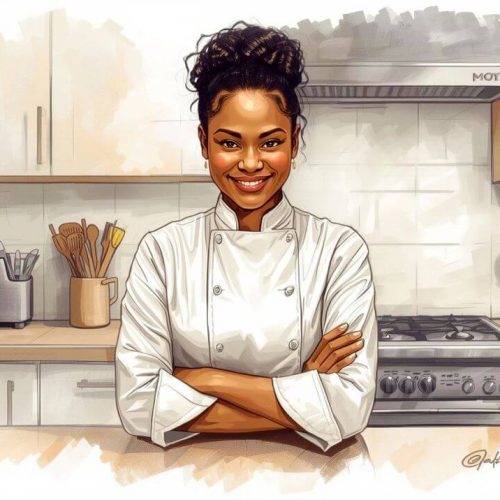
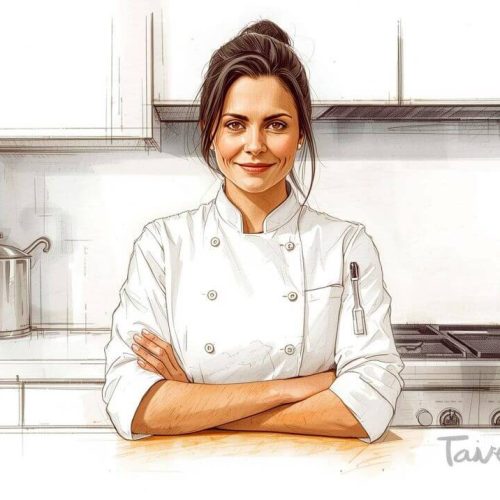
A personal chef cooks customized meals for individual clients or families, typically in their homes, on a recurring schedule.
That means:
- Menus tailored to real preferences and dietary needs
- Cooking in private kitchens, not commercial ones
- Preparing multiple meals at once to support a week or more of eating
- Working with several clients rather than one employer
The role sits at the intersection of cooking, problem-solving, and service. You’re translating lifestyle needs into food that actually gets eaten.
It’s less about performance and more about usefulness.
What a Personal Chef Is NOT
It’s just as important to understand what this work isn’t.
A personal chef is not:
- A restaurant chef without a restaurant
- A personal assistant who “also cooks”
- A meal prep factory
- A 24/7 on-call service
- Someone who says yes to everything
The job works because of boundaries. Clear scope. Defined expectations. When those aren’t present, the work collapses quickly.
If you’re imagining constant scrambling, endless customization, or emotional overextension—that’s not the role. That’s a lack of structure.

A Glimpse Into the Daily Life
A personal chef’s day is often quieter than people expect.
It might look like:
- Planning menus in advance
- Shopping thoughtfully, often with the same stores or farmers
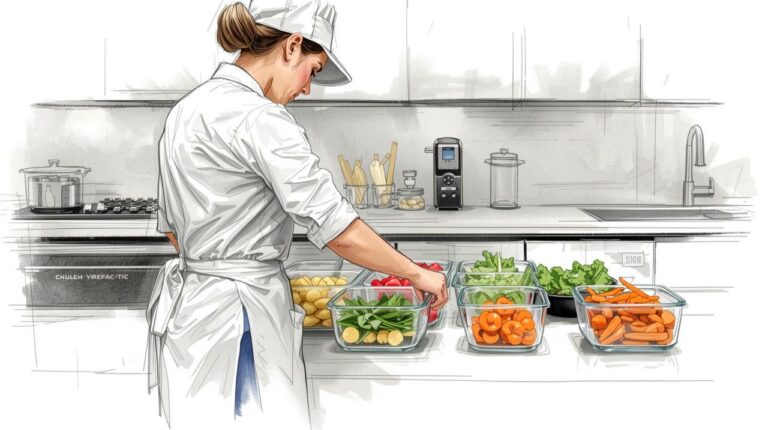
- Cooking efficiently in a client’s kitchen
- Cleaning as you go
- Leaving labeled meals and a calm space behind
There’s rhythm here. Repetition. Flow.
You’re not rushing tickets. You’re not managing a line. You’re working through a system you control.
Some days are busy. Some are light. Most are predictable in a way restaurant life rarely is.
Who Are Your Clients?
Personal chef clients are not a single demographic. They’re united by one thing: food has become a problem they want solved.
That might include:
- Busy professionals who want their evenings back
- Families managing allergies or health conditions
- New parents who need support, not advice
- Seniors who value nutrition without effort
- Athletes or wellness-focused clients
- Executives who prioritize consistency and privacy
These clients aren’t hiring you for creativity alone. They’re hiring you for reliability, thoughtfulness, and relief.
Why Clients Hire Personal Chefs
Clients don’t pay personal chefs just for meals.
They pay for:
- Time they don’t have to spend planning, shopping, or cooking
- Energy they conserve by removing daily decisions
- Peace of mind knowing food is handled
- Consistency that supports their health and routine
This is why personal cheffing is value-based, not volume-based. You’re not trying to serve more people—you’re trying to serve the right people well.
When you understand that, pricing, scheduling, and boundaries make much more sense.
Freedom and Creativity: Being Your Own Boss
One of the most underrated benefits of being a personal chef is ownership.
You choose:
- Which clients you accept
- How many clients you carry
- When you work
- What standards you maintain
- What your menus look like
Creativity shows up differently here. It’s not about novelty for applause—it’s about designing food that fits into someone’s life week after week.
That kind of creativity is quieter, but it lasts longer.

Is This for You? Test Before You Commit
This is the most important part—and the one most people skip.
You do not need to quit your job.
You do not need a business name.
You do not need a plan for five years from now.
Before you decide anything, test the work.
Cook once for the right person.
Someone who:
- Genuinely needs the help
- Respects the effort
- Fits the kind of client you imagine working with
Treat it seriously:
- Plan a menu
- Shop with intention
- Cook in their kitchen
- Leave the space better than you found it
Then pay attention—not just to how the food turns out, but to how you feel afterward.
Do you feel depleted—or grounded?
Did the work feel chaotic—or focused?
Did solving food problems feel meaningful?
That single experience will tell you more than weeks of overthinking.

You Don’t Have to Decide Yet
Becoming a personal chef isn’t a leap of faith. It’s a series of small, honest tests.
You’re allowed to explore this without pressure. To try it without committing. To gather real information before making a decision.
If this path is right for you, it will reveal itself through doing—not imagining.
So don’t decide yet.
Just take the next small step and see how it feels.
That’s how sustainable careers actually begin.