
The Organic Personal Chef — Year 2006 THE YEAR IN BRIEF This year, in short: Craft, credibility, and calm began aligning at the same time Boundaries shifted from implied to explicit The defining characteristic was composure under pressure THE FOOD WORLD AT THE TIME 2006 📺 Food competition shows explode 🧑🍳 Chefs become celebrities first, cooks second 🥗 Clean eating gains language 🍔 Chains chase “fresh” branding 🛒 Organic sections grow rapidly 🧠 Nutrition enters conversations 🍳 Home cooking feels like work 💼 Burnout becomes common kitchen talk 📦 Meal prep gains structure 📞 Clients want fewer decisions 🧾 Packages feel safer than menus 📊 Systems separate pros from chaos 🌱 Personal chefs sell relief, not recipes 🔧 Repeatability becomes power 🚪 Restaurant exits increase quietly OUR REALITY THAT YEAR 2006 was the year pressure stopped hijacking the work. It began with refinement. Adding a single-bevel sushi knife to the kit wasn’t about novelty — it was about commitment. Precision tools matched a growing precision in approach. Around the same time came a first testimonial that genuinely gave chills. Not because it was flattering, but because it articulated the value of the work more clearly than we ever had. Then came a review that brought new clients almost immediately. Proof that reputation could now travel faster than explanation. Chaos didn’t disappear. A sheet of ice flew off an 18-wheeler and smashed the windshield. Traffic locked up with perishables in the car. Cooler packs were forgotten on a hot day. In one home, a cat jumped onto the prep surface. In another, multiple cats appeared everywhere. Kids ran through the kitchen mid-service. The environments were as unpredictable as ever. The difference was internal. Client boundaries became a defining lesson. The first hovering client felt awkward. The second interruption disrupted flow. Then came the serious loss — productivity dropped, morale followed. That moment clarified something essential. Expectations had to be set before arrival. The kitchen was a workspace, not a stage. From then on, boundaries were communicated clearly, not defended reactively. There were quieter struggles too. Staying busy to avoid thinking. Avoiding numbers because they felt intimidating. Not everything matured at once. Some fears lingered even as skills solidified. But operationally, things clicked more often than they failed. Timing lined up perfectly. Dishes stacked neatly. Containers fit just right. These weren’t accidents — they were the result of systems finally matching experience. Most importantly, mistakes no longer spiraled. When something went wrong, it stayed contained. Competence showed itself under pressure. Calm appeared during chaos. Presence returned to cooking — not rushing through tasks, not bracing for impact, just working. By the end of the year, the work felt different in the body. Shoulders dropped. Breath slowed. The kitchen became a place of execution again, not vigilance. The chaos was still there. It just wasn’t in control anymore. CONCORD DIGITAL STILL CAMERA CONCORD DIGITAL STILL CAMERA CONCORD DIGITAL STILL CAMERA CONCORD DIGITAL STILL CAMERA CONCORD DIGITAL STILL CAMERA CONCORD DIGITAL STILL CAMERA CONCORD DIGITAL STILL CAMERA CONCORD DIGITAL STILL CAMERA a-SpinachSaladForSix002 CONCORD DIGITAL STILL CAMERA Load More End of Content. WHAT THIS YEAR TAUGHT US Looking back, this year showed us that calm is not the absence of problems — it’s the result of systems and boundaries working together. WHERE THIS YEAR FITS IN THE CAREER This year belonged to the Early Grind Years — the phase where composure finally caught up to experience.
The Organic Personal Chef Year 2005
THE YEAR IN BRIEF This year, in short: Pricing, delegation, and professionalism aligned for the first time Support systems were added — and stress-tested immediately The defining characteristic was maturity: fewer emergencies, higher standards THE FOOD WORLD AT THE TIME 2005 🥗 Organic food enters big grocery chains 🧑🍳 Celebrity chefs everywhere 📺 Food TV hits saturation 🍽 Dining out becomes routine, not special 🧠 “Food philosophy” becomes branding 🛒 Farmers markets multiply 🍳 Home cooks feel inadequate 💼 Restaurant margins tighten 📦 Batch cooking resurfaces 📞 Clients expect personalization 🧾 Flat pricing starts replacing hourly 📊 Cost control becomes survival skill 🌱 Personal chefs benefit from customization 🔍 Niches quietly outperform generalists ⏳ Time > taste for many clients OUR REALITY THAT YEAR 2005 was the year the work stopped flinching. Prices were raised — carefully, deliberately — and clients stayed. That moment recalibrated more than revenue. It reframed self-perception. The work could be valued appropriately without collapsing demand. Around the same time came a surprising external validation: winning a sales promotion at Williams Sonoma. Not because retail defined the work, but because it affirmed competence in a parallel arena that respected process, product, and presentation. Support entered the picture. A first assistant. A helper in the kitchen. Delegating prep for the first time felt awkward — not because it was difficult, but because it required trust. And that trust was tested immediately. Helpers were late. Unprepared. And then came the serious loss: a helper quitting day-of. That moment clarified something essential. Help without structure was risk. From then on, backup plans became standard. No role existed without redundancy. Delegation stopped being hopeful and became engineered. Client kitchens began to reveal a pattern. Some still weren’t ready. Fridges that weren’t cold enough. Freezers packed with forgotten food. No counter space cleared. But then there were others — the quiet outliers. The stove heated evenly. The fridge had space waiting. The code worked on the first try. The kitchen was cleaner than expected. Those environments changed everything. Working with people who got it reduced friction in ways that were hard to quantify but impossible to ignore. The work moved faster, felt lighter, and required less explanation. Professional respect stopped being something you reached for and started being something you received. Emotionally, the year felt different. Conferences could be attended without panic — not scanning for answers, not hunting for fixes. Learning happened because curiosity returned. Growth was no longer driven by fear of failure, but by interest in refinement. There were still problems. Still imperfect days. But fewer things went wrong, and when they did, they didn’t spiral. The work had enough scaffolding now to stay upright under pressure. By the end of the year, the dominant feeling wasn’t relief or excitement. It was steadiness. becomeapersonalchef2005 (1) CONCORD DIGITAL STILL CAMERA CONCORD DIGITAL STILL CAMERA CONCORD DIGITAL STILL CAMERA CONCORD DIGITAL STILL CAMERA CONCORD DIGITAL STILL CAMERA CONCORD DIGITAL STILL CAMERA CONCORD DIGITAL STILL CAMERA CONCORD DIGITAL STILL CAMERA becomeapersonalchef2005 (10) Load More End of Content. WHAT THIS YEAR TAUGHT US Looking back, this year showed us that professionalism isn’t about doing more — it’s about designing work so it doesn’t depend on heroics. WHERE THIS YEAR FITS IN THE CAREER This year belonged to the Early Grind Years — the point where maturity began replacing momentum, and the foundation finally held.
The Organic Personal Chef Year 2004
The Organic Personal Chef Year 2004 THE YEAR IN BRIEF This year, in short: Demand consolidated into peak moments: holidays, events, and repeat bookings Capacity was tested – not by lack of work, but by lack of margin The defining characteristic was overextension followed by recalibration THE FOOD WORLD AT THE TIME 2004 📺 Food TV saturation hits 🧑🍳 Chefs are now brands 🥗 Diet culture peaks 🍽 Eating becomes strategic 🧠 “Lifestyle eating” enters language 🛒 Organic food goes mainstream-adjacent 📦 Batch cooking gains traction 💼 Culinary burnout becomes visible 📞 Clients expect flexibility 🧾 Packages replace hourly thinking 🍳 Home cooking declines further 📊 Cost control becomes survival 🌱 Personal chefs seen as practical, not flashy 🔧 Systems beat talent ⏳ Freedom becomes the real upgrade OUR REALITY THAT YEAR 2004 was the year the calendar filled — and stayed full. The work expanded into celebration. A first bachelorette party. A first booked-out holiday season. Thanksgiving service entered the rhythm, followed by a New Year’s Eve event. These weren’t just jobs; they were markers of trust. Clients were handing over moments that mattered, and expecting everything to work. And mostly, it did. But pressure found new entry points. Elevators were out, requiring six trips up stairs with equipment. Cars refused to start after shopping. A battery died at a client’s house. None of these were failures of cooking. They were failures of margin. The real mistake that year wasn’t any single incident — it was accumulation. Too many clients booked in one week. No buffer time between commitments. No recovery day scheduled. Everything fit on paper, but nothing breathed. Burnout arrived quietly, without drama or collapse. Just fatigue that didn’t lift. After workdays ended, the mind kept going. Conversations replayed. Decisions were second-guessed. The joy that once felt automatic went missing, and questioning that absence felt selfish. The work was “successful.” Who was allowed to complain? Transportation issues forced clarity. The first delay due to traffic was manageable. A flat tire introduced panic. Then timing slipped enough to impact food quality — the unforgivable outcome. That moment ended debate. Buffer time became part of the job, not a luxury. Travel plans were rebuilt with margin, backups, and earlier departures. Reliability now started before arrival. And then, almost unnoticed, the counterbalance appeared. Shopping runs went smoothly. In and out of the store in record time. Every item on the list in stock. The cashier moved fast and smiled. The dog that once watched suspiciously stopped guarding and started following room to room. These weren’t random moments — they were signs of alignment. A waitlist began forming without effort. Better clients replaced old ones. Fewer households generated more income. A consistent weekly rhythm emerged — not rushed, not sparse, just workable. By the end of the year, the work felt calmer not because demand dropped, but because structure improved. The lesson landed fully: success without margin extracts interest. BecomeaPersonalChef2004 (14) CONCORD DIGITAL STILL CAMERA CONCORD DIGITAL STILL CAMERA CONCORD DIGITAL STILL CAMERA CONCORD DIGITAL STILL CAMERA CONCORD DIGITAL STILL CAMERA BecomeaPersonalChef2004 (4) BecomeaPersonalChef2004 (11) BecomeaPersonalChef2004 (5) BecomeaPersonalChef2004 (15) Load More End of Content. WHAT THIS YEAR TAUGHT US Looking back, this year showed us that margin is not wasted capacity – it is what protects quality, energy, and trust when demand rises. WHERE THIS YEAR FITS IN THE CAREER This year belonged to the Early Grind Years — the final phase where success still outpaced sustainability, forcing systems to catch up.
The Organic Personal Chef Year 2003
The Organic Personal Chef Year 2003 THE YEAR IN BRIEF This year, in short: The work expanded quietly into more intimate, higher-trust settings Professional boundaries were tested, enforced, and normalized The defining characteristic was refinement under pressure, not acceleration THE FOOD WORLD AT THE TIME 2003 📺 Celebrity chef culture solidifies 🧑🍳 Personality > technique (sometimes) 🥗 Atkins diet explodes 🍖 Carbs become the villain 🧠 Nutrition becomes a sales angle 🛒 Specialty food stores grow 🍳 Home cooks feel overwhelmed 💼 Restaurants struggle with margins 📦 Meal planning becomes stressful 📞 Client expectations rise 🧾 Pricing confusion persists 📖 Diet books outsell cookbooks 🌱 Personal chefs quietly thrive on customization 🔍 Special diets become niches 🚪 Early exits from restaurants begin OUR REALITY THAT YEAR 2003 was not about growth in volume. It was about depth. The work began entering new rooms. A first microwedding — small, personal, and emotionally weighted. Invitations arrived to product demos and tastings. Then an invitation-only culinary event. These weren’t public milestones, but they signaled something important: trust was being recognized without being requested. Financial anxiety loosened slightly. There was a first full month where the bank balance wasn’t checked daily. Not because money was abundant, but because patterns had formed. Income was no longer a mystery unfolding one job at a time. Professional authority sharpened. For the first time, a client was fired — calmly, clearly, and without drama. It wasn’t retaliatory. It was procedural. That distinction mattered. Boundaries were no longer theoretical; they were enforceable. Then reality pressed back. Ingredient availability became the year’s recurring stressor. A store out of a key item. Then a seasonal ingredient ending earlier than expected. Then the backup store also out. Eventually, a menu had to be redesigned under pressure with limited options and no margin for delay. The lesson was unavoidable. Menus could no longer be rigid plans. They became flexible frameworks. Substitutions were designed in advance, not invented mid-crisis. Loss showed up unexpectedly. A long-term client ended the relationship suddenly — no explanation, no transition, just an ending. It disrupted more than income. It disrupted identity. That absence lingered longer than anticipated. Internally, the year carried mixed signals. There was an intellectual understanding that valleys were part of the design, not failures. That consistency beat intensity. That this rhythm was normal. But understanding didn’t prevent fatigue. Learning happened while tired. Growth happened while uncomfortable. Quiet resentment crept in — not toward clients, but toward the unrelenting demand of reliability. The creative spark dimmed temporarily, not because passion was gone, but because endurance was being tested. In response, the calendar changed. Time was blocked intentionally. Not reactively, not apologetically — on purpose. Space was claimed before it was needed. That decision didn’t restore creativity immediately, but it stopped the bleed. By the end of the year, the work felt heavier — but also more exact. Fewer illusions. Fewer emergencies. More control over what could be controlled. The marble wasn’t finished. But the shape was clearer. OLYMPUS DIGITAL CAMERA OLYMPUS DIGITAL CAMERA personalchef 2000 (3) OLYMPUS DIGITAL CAMERA OLYMPUS DIGITAL CAMERA OLYMPUS DIGITAL CAMERA OLYMPUS DIGITAL CAMERA personalchef 2000 (8) CONCORD DIGITAL STILL CAMERA personalchef 2000 (10) Load More End of Content. WHAT THIS YEAR TAUGHT US Looking back, this year showed us that durability is built through adaptability – and that boundaries preserve both creativity and capacity. WHERE THIS YEAR FITS IN THE CAREER This year belonged to the Early Grind Years, the phase where refinement replaces survival, even as comfort remains distant.
When Cooking Isn’t Just a Hobby Anymore
When Cooking Isn’t Just a Hobby Anymore There’s a specific moment every serious home cook recognizes. It’s not when you perfectly execute a soufflé or when you finally master the five mother sauces. It’s the moment you realize that your love for food has quietly crossed a line. It stops being just a way to feed yourself and starts becoming a solution for everyone around you. Maybe you’re the person friends text at 4 PM asking what to do with a chicken breast and a lemon. Maybe you’re the one planning the entire menu for your sister’s baby shower because the caterer options felt “uninspired.” Or perhaps you’ve noticed that while others view dinner prep as a chore, you see it as the best part of your day. If you are nodding along, you aren’t just a hobbyist anymore. You possess a high-value skill set that solves a painful problem for busy people: the need to eat well without the time to make it happen. This article explores that transition—the pivot point where passion meets profession—and why becoming a personal chef is the most natural next step for skilled cooks ready to take themselves seriously. The Transition from Hobby to Profession Cooking is one of the few hobbies that is also a survival skill, which makes the line between “amateur” and “pro” blurry. However, the shift from hobbyist to professional isn’t defined by a culinary school degree or a Michelin star. It is defined by value. A hobby is something you do for your own enjoyment. A profession is something you do that provides value to others. The transition happens when your cooking stops being about your entertainment and starts being about service. We live in an era where time is the ultimate luxury. According to the Bureau of Labor Statistics, the average American spends less than 37 minutes a day on food preparation and cleanup. Yet, the desire for nutritious, home-cooked meals hasn’t disappeared; it has actually increased. This gap between desire and capacity creates a massive opportunity. When your skills can fill that gap, you are no longer just “good at cooking.” You are a problem solver. Recognizing the Value in Your Cooking Skills It is easy to undervalue what comes naturally to us. If chopping vegetables and balancing flavors feels like second nature to you, you might assume it’s easy for everyone. It isn’t. To a busy executive, a parent with a child who has celiac disease, or a senior citizen who can no longer stand by the stove for an hour, your ability to plan, shop, and cook is a superpower. Identifying the Problems You Solve To understand your professional value, stop looking at your food and start looking at the relief it provides. The beauty of personal cheffing is its inherent flexibility. Unlike the grueling hours of a restaurant line cook, a personal chef service allows you to leverage your specific strengths to solve specific problems. You don’t have to cook everything for everyone; you just have to cook the right food for the right people. The Rise of Personal Cheffing Ten years ago, the term “personal chef” conjured images of celebrities and billionaires. Today, it is a practical service for the upper-middle class, busy families, and health-conscious individuals. The industry has democratized, and the demand is surging. This growth is driven by a cultural shift. We are more aware of what we eat than ever before, but we are also busier than ever before. The restaurant industry can’t fully solve this because restaurant food is designed for indulgence, not daily sustenance. Meal kits attempt to solve it, but they still require labor and cleanup. Market Growth and Statistics The personal chef industry is no longer a niche luxury. According to the American Personal & Private Chef Association (APPCA), there are approximately 9,000 personal chefs in the United States serving roughly 72,000 clients. What is even more compelling is the trajectory: these numbers are expected to double in the next five years. This isn’t just about private dinners. The market has splintered into profitable niches, including: The financial upside is real. Because overhead is low (you often cook in the client’s kitchen or your own inspected facility) and inventory is bought with the client’s money, the profit margins in personal cheffing are significantly higher than in traditional catering or restaurant work. Steps to Transition to Personal Cheffing So, how do you move from the “friend who cooks well” to the “paid professional”? It requires shifting your mindset from creative artist to business owner. 1. Education and Certification While you don’t need a culinary degree to be a personal chef, you do need credibility. Clients are trusting you with their health and their homes. Organizations like the United States Personal Chef Association (USPCA) and the APPCA offer training tracks that cover the business side of things—contracts, insurance, and liability. Crucially, you must understand food safety. A ServSafe certification (or your local equivalent) is non-negotiable. It signals to clients that you understand hygiene, cross-contamination, and safe storage temperatures. 2. Building a Brand Your brand isn’t just your logo; it’s your promise. Are you the “Farm-to-Table Family Chef”? The “High-Performance Athlete Fueler”? Or the “Comfort Food for Seniors” expert? Successful personal chefs rarely try to be generalists. They find a niche. By specializing, you become the go-to expert for a specific type of client. This makes marketing easier because you know exactly who you are talking to and what problems they need you to solve. 3. Effective Marketing and Networking You don’t need a Super Bowl ad. You need to be visible where your clients are. 4. Pricing for Profit The biggest mistake new chefs make is underpricing. Do not charge based on what you would pay; charge based on the value you provide. You aren’t just charging for the chicken; you are charging for the menu planning, the driving, the shopping, the cooking, the packaging, the cleaning, and the years of experience that ensure the chicken
There Is a Life After the Line
For Chefs Who Want Longevity The rush of a Friday night service gets into your blood.The heat. The noise. The rhythm of the line firing in sync. For a long time, it feels unbeatable. Until it doesn’t. At some point, the 14-hour shifts, missed holidays, and physical wear stop feeling like dues paid and start feeling like debt. You still love cooking—but you’re no longer sure you can survive the lifestyle that comes with it. If you’ve ever stared at the ceiling after a double, wondering whether there’s a future that doesn’t involve hanging up your apron entirely, you’re not alone. There is a life after the line. And for chefs who want longevity, income stability, and creative control, personal cheffing has become one of the clearest paths forward. The Industry Has Changed—Quietly Personal cheffing is no longer a novelty reserved for celebrities and estates. It has shifted into a practical service model driven by modern life. Busy professionals don’t have time to cook.Families want consistent, healthy meals.Seniors want nutrition without losing independence. That demand has created real opportunity. Industry groups estimate thousands of personal chefs across the U.S. serving tens of thousands of clients—with growth projected to continue. More importantly, the work itself has diversified. This isn’t one job anymore; it’s many niches. Customization Is the Advantage Restaurants struggle with specificity during service. Personal chefs thrive on it. Gluten-free, allergy-safe kitchens Keto, vegan, or medically guided meals Cultural or heritage cooking done consistently Customization isn’t a burden here—it’s the business model. Technology Lowered the Barrier Scheduling tools, invoicing software, and simple digital marketing have removed much of the friction that used to stop chefs from going independent. You spend less time buried in admin and more time doing what you actually trained for. Cooking. You Already Have the Hardest Skills Leaving the line doesn’t mean starting over. The speed, discipline, palate, and problem-solving instincts you built in restaurants transfer directly. What changes isn’t your competence—it’s your role. You’re no longer executing someone else’s menu at scale.You’re designing systems that serve real people repeatedly. That shift does require new muscles. Skills That Matter in Private Work Menu planning: balancing variety, cost, and client preferences Time control: shopping, prep, cooking, packaging, and cleanup—solo Client communication: clarity, trust, and boundaries matter as much as flavor You move from back of house to front-facing professional. The craft stays. The context changes. Legitimacy Is Non-Negotiable Longevity requires professionalism. That means business registration, insurance, and food safety certification. Associations can help with credibility, but structure is what protects you—from liability, burnout, and underpricing. This is a business. Treat it like one. The Real Shift: From Employee to Owner For many chefs, the hardest adjustment isn’t cooking—it’s visibility. You can make flawless food, but independence requires you to be known. Define a Clear Identity Generalists blend in. Specialists get hired. Are you the family meal prep chef?The nutrition-focused performance chef?The intimate dinner experience expert? A clear niche makes marketing simpler and pricing stronger. Trust Is Your Currency Most personal chefs grow through referrals. Share your work visually and honestly Build local partnerships with gyms, nutritionists, or markets Make it easy—and rewarding—for clients to recommend you People don’t just hire skill. They hire confidence and consistency. What Longevity Actually Looks Like Leaving restaurants doesn’t mean abandoning ambition. It means redirecting it. Instead of chasing covers, you build relationships.Instead of burning weekends, you choose capacity.Instead of breaking your body, you protect it. For chefs who want to keep cooking and keep living, this path offers something restaurants rarely do: sustainability. If you want chef-focused resources on pricing, contracts, niches, and transition planning, Become A Personal Chef was built specifically for this stage of your career. You don’t have to quit tomorrow.You don’t have to “downgrade” your skill. You just have to accept this truth: The line doesn’t have to be the end of your story—but it doesn’t have to be your forever either.
There’s a Reason Your Mind Keeps Wandering
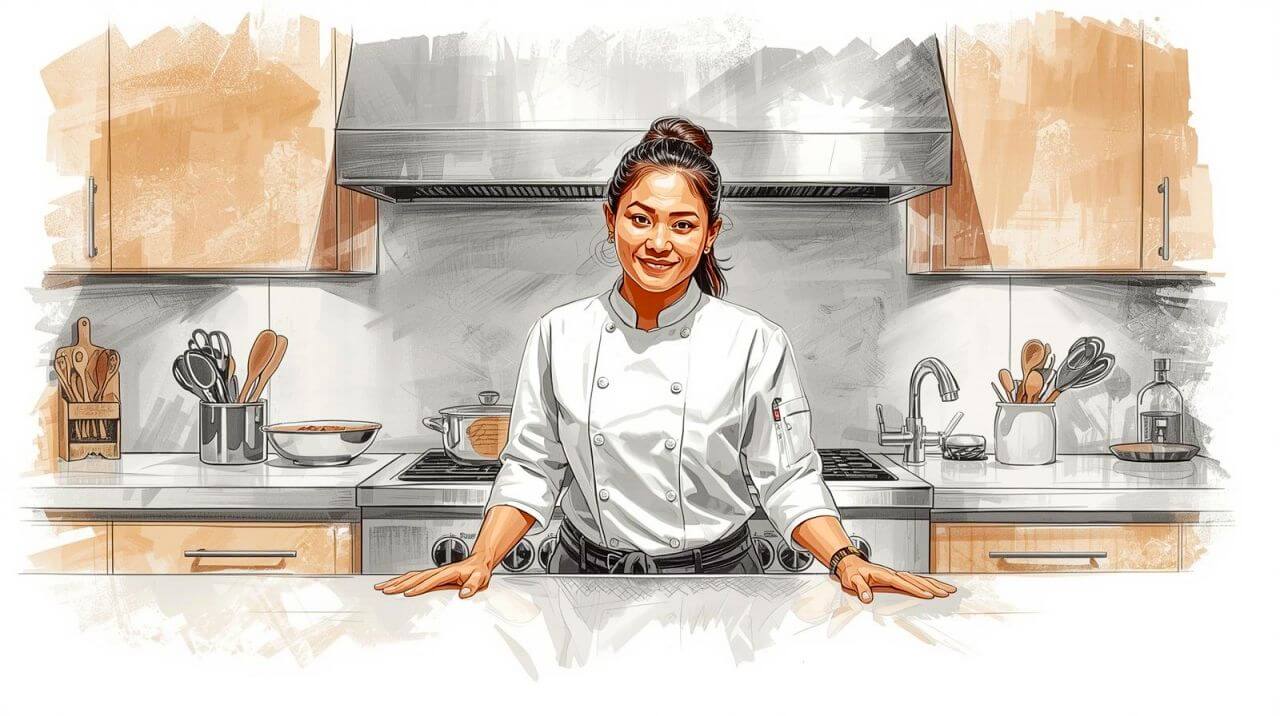
It’s 2:00 PM on a Tuesday.You’re in a meeting. Slides are advancing. Someone is talking about projections. And your mind is somewhere else entirely. You’re chopping herbs. You’re tasting a sauce. You’re plating something simple that actually looks good. You catch yourself and think, Get it together.You call it distraction. Lack of focus. A bad attention span. But recurring thoughts like this aren’t random.They’re signals. When the same alternative life keeps resurfacing—especially one that involves creating something tangible—it’s worth asking why. Not dismissing it. Not romanticizing it. Just examining it honestly. For many people, especially those drawn to food, those thoughts point toward something specific: a desire for autonomy, usefulness, and visible results. That’s why personal cheffing keeps showing up—not as a fantasy, but as a viable alternative. Why Certain Careers Keep Pulling at You People don’t daydream equally about all jobs.They daydream about roles where effort leads directly to outcome. Cooking, writing, building, crafting—these pursuits share a common trait: when you’re done, something exists. You can see it, taste it, hand it to someone else. That’s a sharp contrast to most modern work. Emails disappear. Meetings evaporate. Projects stretch on without closure. Even success can feel abstract. In the kitchen, the feedback loop is immediate.You cook. Someone eats. Something improves. That clarity is powerful. These “daydream careers” often signal three unmet needs: Autonomy: deciding how work gets done Mastery: improving a real skill instead of navigating politics Meaning: seeing your effort directly help someone When those needs go unmet for long enough, your mind looks for exits. Why Food Keeps Showing Up Food fantasies aren’t about becoming famous or opening a restaurant. They’re about usefulness. Cooking is one of the few skills that solves a daily problem. Everyone eats. Everyone runs out of time. Everyone feels better when food is handled. That’s why personal cheffing has quietly expanded beyond luxury. It’s no longer about extravagance.It’s about relief. The Personal Chef Shift Is Already Underway Personal cheffing used to sound niche. Today, it’s practical. The U.S. personal chef market has grown into a multi-billion-dollar industry, driven by people who want to eat better without adding more decisions to their day. This growth isn’t fueled by trends—it’s fueled by pressure. People are busier. Health matters more. Cooking hasn’t gotten easier. So they outsource it. Who Actually Hires Personal Chefs? Not celebrities. Not elites. Everyday clients like: Professionals who want weekday meals handled Families who want consistent dinners without chaos Health-focused clients managing diets or restrictions Seniors who want to stay independent None of them are asking for culinary theater.They want food they can trust. Is This a Fantasy—or a Fit? A daydream becomes dangerous only when it’s vague. Turning it into something real means asking better questions. Do you enjoy the process—or just the idea? Personal cheffing isn’t about cooking one impressive meal. It’s about repeating good decisions in unfamiliar kitchens, adapting to preferences, and staying organized. You don’t need to love spectacle.You need to like service. Does the lifestyle actually appeal to you? This work offers flexibility—but only if you manage yourself well. You choose clients. You set boundaries. You also handle scheduling, pricing, and communication. Freedom comes with responsibility. Is the risk manageable? Compared to restaurants, the barrier to entry is low. No lease. No staff. No dining room. The real challenge isn’t cost—it’s structure. Pricing properly. Defining scope. Saying no when necessary. How People Actually Get Started No culinary pedigree required.But legitimacy matters. Foundational steps usually include: Food safety certification Business registration and permits Liability insurance Clear service definitions From there, progress comes faster when chefs stop marketing “cooking” and start marketing solutions. The most stable businesses niche early—by diet, lifestyle, family type, or cuisine—because clarity attracts better clients. What Those Daydreams Are Really Saying That Tuesday afternoon drift isn’t telling you to quit tomorrow. It’s telling you something important is missing. Meaning. Autonomy. Tangible progress. Personal cheffing isn’t the only answer—but it’s one of the few paths where those needs are built into the work itself. Thousands of people have already crossed this bridge quietly, without fame or fanfare, and built solid, sustainable careers doing work that feels real again. If you want to explore what that path actually looks like, the free guides and bookstore at Become A Personal Chef are designed to help you think clearly—not impulsively. You don’t have to act today.But you should stop ignoring the signal. Your mind isn’t wandering by accident.