Is Your Cooking Good Enough to Sell? The Truth About Practical Talent When most people hear the word chef, they picture competition shows, tweezers placing microgreens, and an endless chase for perfection. That image has done real damage—because it convinces capable home cooks that unless they’re elite, they shouldn’t charge for their work. You look at your food—solid, flavorful, dependable—and think, “It’s good… but not professional.” The market disagrees. The personal chef industry is quietly booming, with thousands of chefs serving tens of thousands of clients across the U.S. And here’s the part few culinary schools emphasize: most of these businesses are not built on culinary theatrics. They’re built on consistency, reliability, and time savings. People aren’t paying for perfection. They’re paying for relief. Practical Talent vs. Artistic Perfection We often confuse skill with mastery. In a service business, mastery isn’t about knowing everything—it’s about doing a specific thing well, over and over, for someone who needs it. That’s practical talent. In personal cheffing, practical talent looks very different from restaurant prestige. It’s not about impressing strangers once. It’s about serving the same client week after week without friction. Practical talent shows up as: Adaptability: Adjusting meals for allergies, preferences, or diet changes Reliability: Arriving when you said you would and delivering every time Comfort: Cooking food people actually want on a Wednesday night If you can cook dependable meals, respect dietary needs, and leave a kitchen cleaner than you found it, your skill is already monetizable. Clients are not buying a foam or a flourish.They’re buying back their time. Why “Good Enough” Wins in the Real World New entrepreneurs often believe they must be the best to deserve a business. In reality, “best” is subjective—and usually irrelevant. What matters is solving the right problem. The problem: A busy professional wants to eat well but has no time or energy to cook The flashy solution: A complex, expensive, high-effort dining experience The useful solution: A fridge stocked with healthy meals that reheat beautifully The useful solution wins—every time. Many successful personal chefs don’t compete on range or technique. They compete on focus. Some build businesses around vegan meals. Others around family-friendly food, medical diets, or cultural comfort cooking. They’re not trying to do everything. They’re solving one problem exceptionally well. Consistency Beats Complexity Long-term success doesn’t come from being impressive once. It comes from being trusted. Clients forgive simple menus.They do not forgive unreliability. A chef who cooks beautifully but cancels, runs late, or complicates the process won’t last. A chef who delivers tasty, familiar food on schedule will stay booked for years. Practical talent prioritizes: Food safety Clean systems Predictable delivery Professional boundaries That’s what keeps clients—and referrals—coming back. Proof Is Everywhere Look at the chefs who thrive outside traditional culinary hierarchies. Some build entire businesses around heritage cooking—meals rooted in memory, not innovation. Others specialize in allergy-safe kitchens, where precision and trust matter more than flair. In these cases, the value isn’t culinary showmanship.It’s usefulness. Clients don’t care if you can make a soufflé.They care if they can eat safely, consistently, and without stress. That is talent the market happily pays for. The Market Is Already Asking Demand for personalized food services continues to grow because modern life creates the same pressure everywhere: people want to eat better and think about food less. The biggest client groups aren’t chasing luxury—they’re chasing relief: Busy professionals who need weekday fuel Families who want nutritious meals their kids will eat Seniors managing health through food None of them are asking for perfection.They’re asking for help. If you can provide that help, you already have the foundation of a business. Turning Skill Into Structure Realizing your talent is “good enough” is only step one. The next challenge is turning that skill into a system. This is where many cooks get stuck—not because they lack talent, but because they lack structure. Pricing, boundaries, contracts, and positioning matter more than most expect. As Louie Montan—who spent years handling the business side of a personal chef operation—often points out: cooking is usually the easiest part. The business is what determines whether the work is sustainable. If you’re curious how this looks in practice, BecomeAPersonalChef.com offers practical tools and free resources to explore personal cheffing as a real career—not a fantasy. You’re Not “Almost Ready.” You’re Ready. Waiting for perfection is a comfortable delay tactic. While you’re telling yourself you need one more credential, someone else is eating overpriced takeout and wishing they had your cooking in their fridge. Practical talent—showing up, cooking well, and solving a daily problem—is rare. It’s valuable. And it’s already enough. You don’t need to be extraordinary to start.You need to be useful. And you already are.
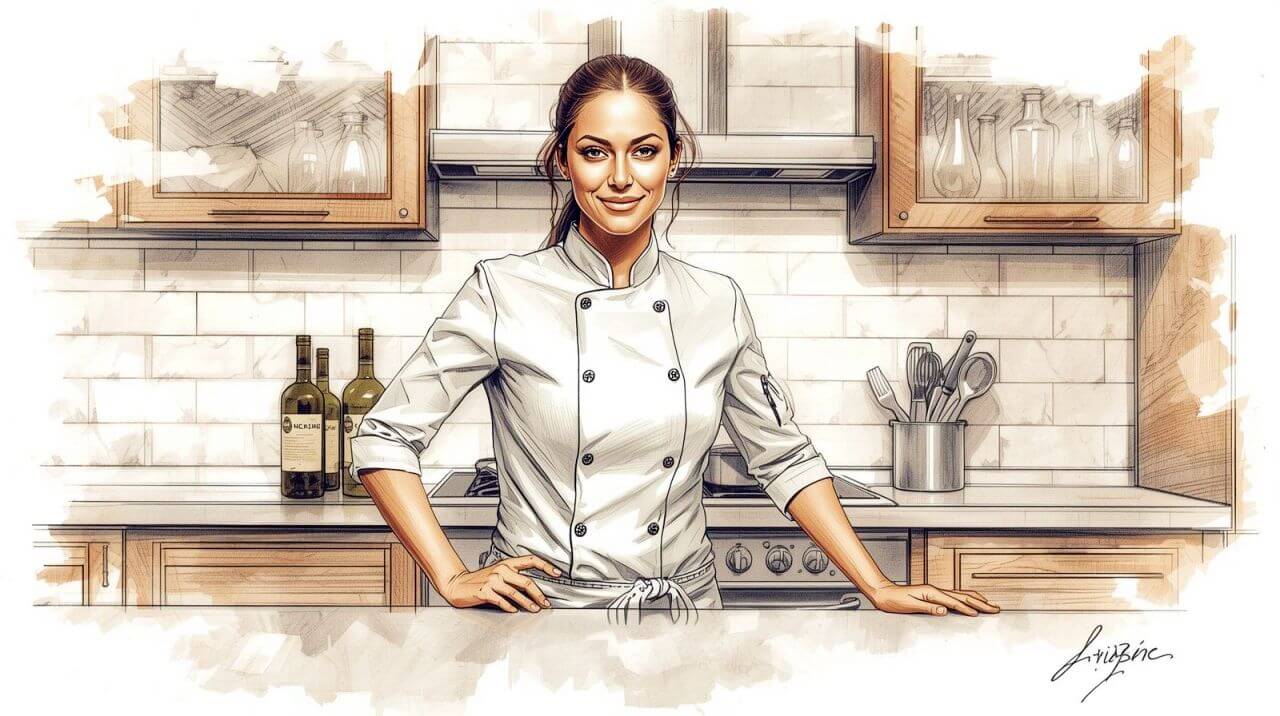
When Cooking Isn’t Just a Hobby Anymore
There’s a moment every serious home cook recognizes. It’s not when you nail a complicated technique or pull off a perfect dinner party. It’s quieter than that. It’s the moment you realize your cooking isn’t just feeding people—it’s solving problems. You’re the one friends text late in the afternoon asking, “What can I do with this?”You’re the one who ends up planning the menu because everyone else feels overwhelmed.You’re the one who actually enjoys the process while others see it as another chore. When that starts happening consistently, cooking has crossed a line. At that point, it’s no longer just a hobby. It’s a valuable skill that other people rely on—and that changes everything. The Real Line Between Hobby and Profession Cooking is a strange skill because it lives in both worlds. Everyone eats. Some people enjoy cooking. A few people are good enough that others benefit when they take over. The difference between a hobby and a profession isn’t credentials or titles.It’s usefulness. A hobby exists for your enjoyment.A profession exists because it makes someone else’s life easier. The moment people are relieved when you cook—that’s the pivot. In a world where time is scarce and health matters more than ever, the ability to plan, shop, and cook consistently is no small thing. When your skills remove stress, save time, or protect someone’s health, you’ve moved into professional territory whether you’ve named it or not. Why Your Skills Are Worth More Than You Think It’s easy to dismiss what feels natural. If cooking feels intuitive to you, you might assume it’s easy for everyone. It isn’t. To the people around you, what you do represents relief: Time saved: no shopping, chopping, or cleanup Mental load removed: no more “what’s for dinner?” Health protected: meals that actually fit dietary needs For a busy professional, a parent managing allergies, or an older adult trying to stay independent, your ability to handle food reliably is a serious asset. That’s what personal chefs sell—not dishes, but outcomes. Why Personal Cheffing Is the Natural Next Step Personal cheffing sits perfectly at the intersection of skill and service. It allows you to: cook real food for real people work without the chaos of restaurant life specialize instead of trying to please everyone Unlike restaurants, personal cheffing isn’t about volume or spectacle. It’s about consistency and fit. And the demand is real. Personal cheffing has expanded far beyond private estates and celebrities. Busy families, health-focused clients, and professionals now use personal chefs as a practical solution—not a luxury. The work has naturally broken into clear, profitable niches: weekly meal prep diet-specific cooking small, intimate events Overhead stays low. Work stays focused. And because you’re solving recurring problems, clients tend to stick around. When Passion Needs Structure Taking your cooking seriously doesn’t mean turning it into chaos. It means adding structure. Credibility Matters You don’t need a culinary degree, but you do need professionalism. Food safety certification, insurance, and basic business setup aren’t optional—they’re what turns trust into trustworthiness. Specialization Is Strength The most successful personal chefs don’t try to cook everything. They pick a lane. Family meals.Diet-specific cooking.Comfort food.Athlete fuel. Clarity attracts the right clients and filters out the wrong ones. Pricing Is About Value, Not Ingredients New chefs often undercharge because they price food, not outcomes. Clients aren’t paying for chicken and vegetables—they’re paying for planning, execution, safety, cleanup, and peace of mind. That distinction is what makes the work sustainable. From “Good Cook” to Professional The leap from hobbyist to professional isn’t about learning to cook better. You’ve likely already done that. It’s about recognizing that your skills matter—and allowing yourself to charge for the relief you provide. The demand exists.The industry is growing.The problems are real. If this article put words to something you’ve been quietly feeling, you’ll find deeper guidance, free resources, and practical next steps at Become A Personal Chef—built specifically for cooks who are ready to take themselves seriously. At some point, passion becomes service. When that happens, the only real question left is whether you’re willing to treat it like the career it already is.
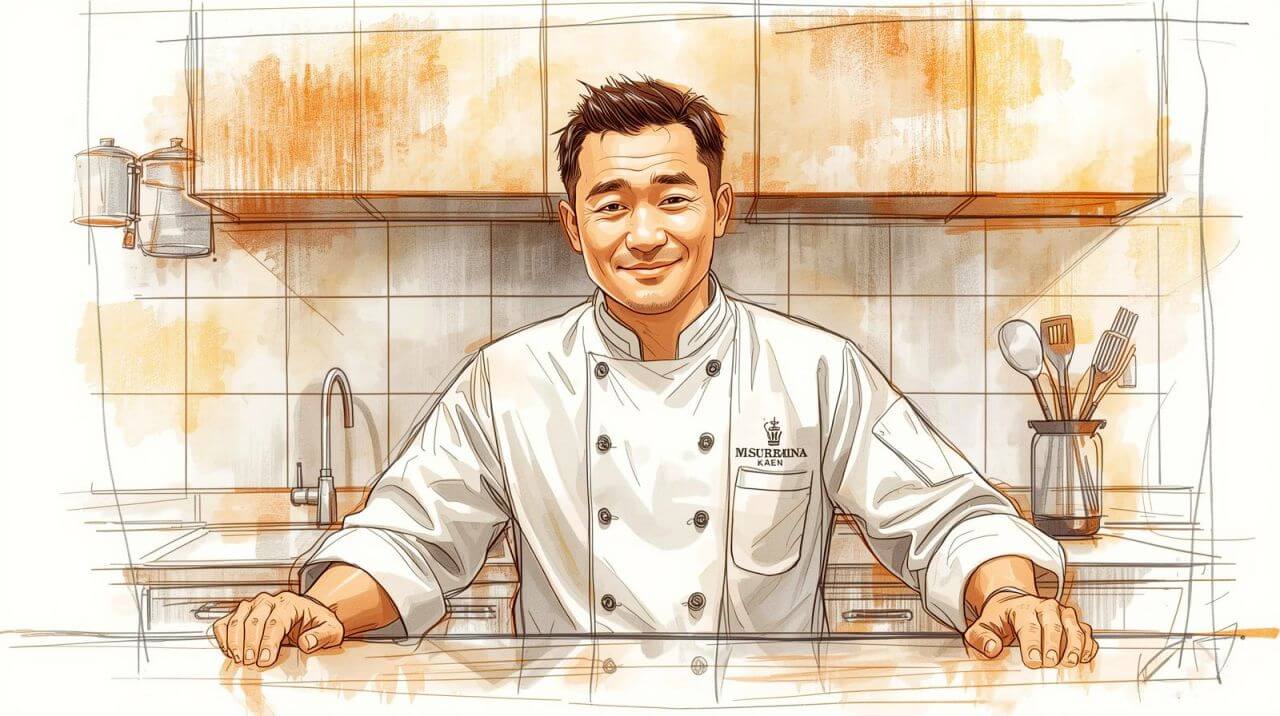
Stop Forcing Life Around Work: How Personal Chefs Design Their Own Schedule
For most of culinary history, the deal was clear: if you wanted to cook for a living, your time no longer belonged to you. Nights, weekends, holidays—gone. Your schedule dictated when you slept, ate, and saw the people you cared about. That deal is quietly being renegotiated. A growing number of chefs are stepping away from the restaurant grind—not because they stopped loving food, but because they refused to keep sacrificing their lives for it. They’re building businesses that bend around their calendars instead of breaking them. This shift isn’t really about food.It’s about autonomy. Why the Industry Is Moving Toward Personal Service Personal cheffing is no longer an edge case for the wealthy. It’s become a practical solution for modern households that value time, health, and consistency. Thousands of personal chefs across the U.S. now serve tens of thousands of clients—and demand continues to grow. Not because people want extravagance, but because they want help. The core client groups are predictable and stable: Busy professionals who want weekday meals handled Families who want nutritious dinners without nightly prep Health-focused clients with specific dietary needs Seniors who want to age in place with proper nutrition For chefs, this matters because these clients live on normal schedules. Instead of cooking late into the night, many personal chefs prep meals on weekday mornings and finish by mid-afternoon. That alone changes everything. Flexibility Is Designed—Not Granted One of the biggest misconceptions about personal cheffing is that you’re always “on call.” In reality, the most successful chefs protect their time intentionally. Systems Create Boundaries Online scheduling tools, structured service packages, and clear availability windows prevent calendar creep. Delivery systems and batch cooking models reduce unnecessary back-and-forth. The result: work stays inside defined hours instead of bleeding into your life. Specialization Saves Time Chefs who niche early work smarter, not harder. When you serve a specific type of client with a defined need, shopping lists shrink, prep becomes repeatable, and decisions decrease. Efficiency isn’t about speed—it’s about reducing friction. The narrower the service, the more predictable the week. Clients Who Respect Time Exist—If You Choose Them Not all clients are created equal. Personal chefs who design their schedules carefully learn to attract people who value structure. Referrals Create Stability Word-of-mouth remains the strongest growth engine. Clients tend to refer people with similar lifestyles and expectations—meaning fewer surprises and more alignment. Referral-based growth usually leads to better clients and better calendars. Visibility Filters for Fit A simple, targeted online presence does more than attract leads—it pre-qualifies them. When clients already understand your style, schedule, and boundaries, conversations are shorter and expectations clearer. You spend less time selling and more time cooking. There Is No One “Right” Schedule The most overlooked truth about personal cheffing is this: there isn’t a single model. Some chefs prioritize retention and work with the same families every week. Others lean into seasonality—working harder during high-demand periods and scaling back intentionally. Some build ultra-stable niches around dietary needs where trust matters more than novelty. What they have in common isn’t workload—it’s control. They know when they’re working, why they’re working, and when they’re not. From Employee to Owner of Your Time Moving into personal cheffing isn’t just a job change. It’s a shift in mindset. You stop asking for time off and start deciding your capacity.You stop reacting to schedules and start designing them.You stop fitting life into work and let work support life. Yes, there are new skills to learn—pricing, contracts, client management—but the payoff is ownership over your calendar. If you’re curious whether this path fits you, the free guides and resources at Become A Personal Chef are built to help you think through the transition realistically—without hype. The culinary world is big enough for your ambition and your personal life. But only if you’re willing to design the schedule instead of inheriting it.
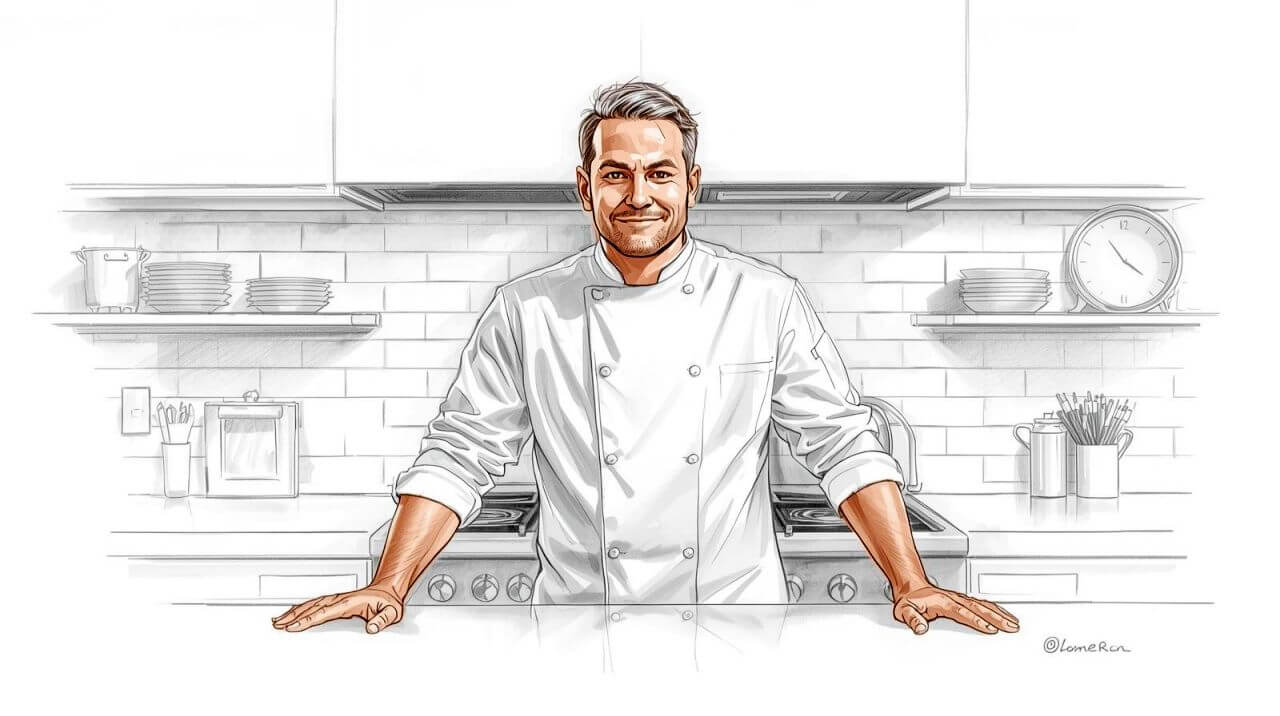
Your Healthy Lifestyle Is Now a High-Paying Skill
For a long time, credibility in wellness followed a rigid formula: degrees, certifications, years in practice. Those still matter—but they’re no longer the whole story. Today, trust is increasingly built through embodiment. Clients don’t just want someone who understands health on paper. They want someone who lives it. Someone whose habits, routines, and food choices already reflect the outcomes they want for themselves. If you’re the person who: sources organic ingredients without thinking twice understands macros intuitively batch-cooks on Sundays because it makes the week run better you already have something most people don’t. In the personal chef industry, those habits aren’t hobbies.They’re proof of concept. For fitness professionals, nutrition-focused practitioners, and serious wellness enthusiasts, this creates a clear opportunity: your lifestyle itself can become a professional service. Why Personal Cheffing Is Exploding Right Now The personal chef industry has moved far beyond private estates and celebrities. What’s driving growth isn’t luxury—it’s pressure. People are short on time and overloaded with decisions. At the same time, they’re more aware than ever that food affects energy, performance, mood, and long-term health. That collision has created demand. The U.S. personal chef market generates billions annually, fueled by: busy professionals who can’t manage nutrition alone families navigating dietary restrictions clients using food to manage health conditions These clients don’t want restaurant tricks. They want someone who understands real-world wellness and can execute it consistently. Where Traditional Culinary Training Falls Short Classic culinary education focuses on technique, presentation, and volume. Wellness-focused clients care about something else entirely. They want: anti-inflammatory meals that actually taste good gluten-free food that doesn’t feel like a compromise high-protein meals that support training and recovery If you’ve lived this lifestyle yourself—reading labels, adjusting recipes, learning what works—you already have specialized knowledge many traditional chefs don’t. That’s leverage. Embodiment Builds Trust Faster Than Credentials In wellness, people don’t just buy expertise. They buy alignment. When clients see that you: shop intentionally eat the way you recommend prioritize sustainable habits they trust you to do the same for them. This kind of credibility doesn’t come from marketing copy. It comes from consistency—and it shortens the distance between interest and commitment. Your Daily Habits Are Already Billable Much of what you do automatically has professional value when framed correctly. Sourcing becomes vendor management and quality control Meal prep becomes inventory planning and system design Nutritional awareness becomes applied consulting You’re not guessing what clients need—you anticipate it, because you live it. That’s why wellness-aligned personal chefs often outperform technically trained generalists: they understand the context of the food, not just the recipe. Turning Lifestyle Into a Service The shift from enthusiast to professional isn’t about changing who you are. It’s about packaging what you already do. 1. Let Your Life Define Your Niche Don’t chase trends. Look at your own kitchen. Vegan? Paleo? Performance-focused? Allergy-aware? Your lived routine is your strongest positioning—because it’s authentic and sustainable. 2. Market the Process, Not Just the Plate Clients hire personal chefs for relief, not aesthetics alone. Show: how you shop how you plan how you adapt safely The process is the product. 3. Sell Outcomes, Not Meals You’re not selling food. You’re selling: time returned stress removed health supported When clients understand that you’re giving them back 10–15 hours a week and upgrading their nutrition, price resistance disappears. A Natural Expansion for Fitness Professionals For trainers and coaches, income is often capped by hours. Food, however, affects clients 24/7. Personal cheffing closes that gap. By handling meals, you: accelerate client results increase lifetime value diversify income without more sessions You don’t need a restaurant. You need structure. If you’re exploring how to formalize this path, the frameworks at Become A Personal Chef are designed specifically for wellness-aligned professionals—covering pricing, contracts, and systems without guesswork. Stop Treating Your Lifestyle as a Side Note The hardest part—building the habits, the knowledge, the discipline—you’ve already done. Business skills can be learned.Systems can be built.But lived wellness can’t be faked. Your lifestyle creates trust.Your habits demonstrate expertise.Your consistency solves a real problem. It’s time to stop seeing healthy living as a personal preference—and start recognizing it as the high-value skill it already is.
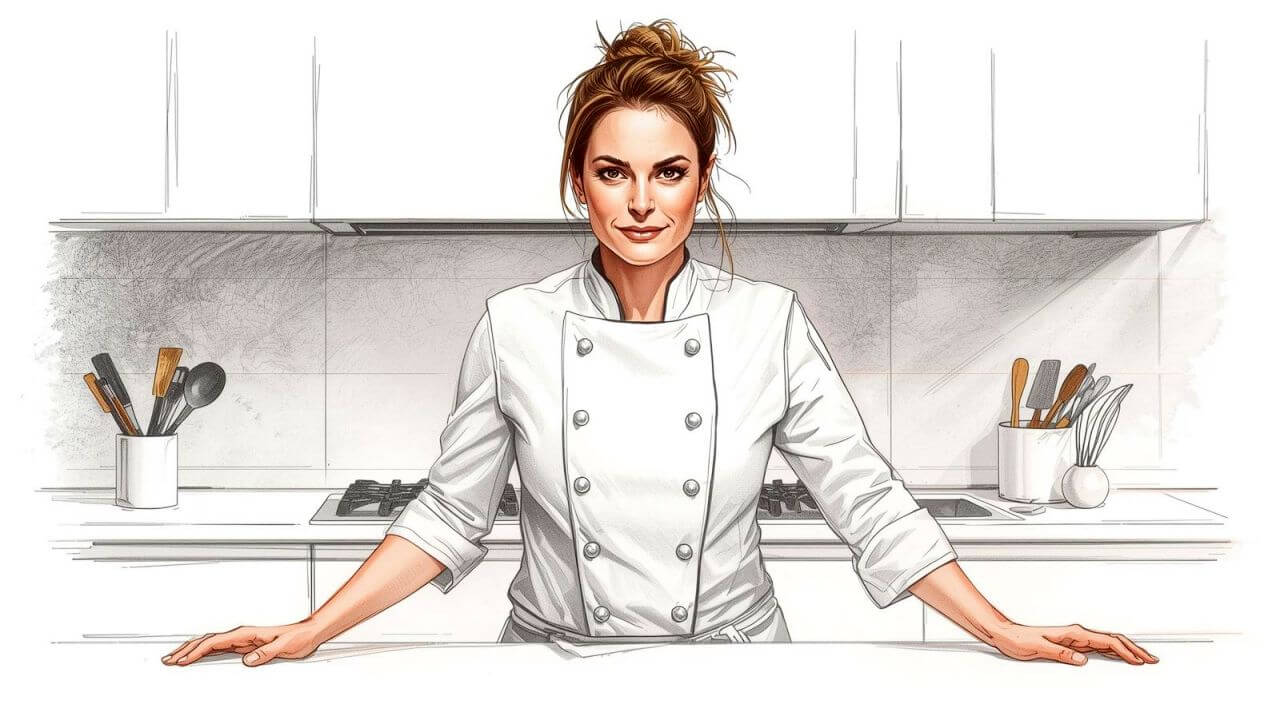
Ready to Turn Your Home Cooking into a Career?
Do you watch cooking shows full of high-stakes drama and tweezered microgreens and think, “I’m not good enough to charge for my food”? It’s time to rethink that. That dramatized standard of perfection is a massive barrier keeping talented cooks like you from a lucrative career. If you can put a delicious, reliable Sunday roast on the table, you already have the skills to start a business. Here is the secret most culinary schools won’t tell you: Clients aren’t looking for three-Michelin-star perfection. They are looking for consistency, reliability, and time. The Market is Waiting for You The personal chef industry is exploding, with thousands of chefs serving roughly 72,000 clients across the U.S. These entrepreneurs aren’t selling “art”—they are selling a solution to a problem. Practical Talent > Artistic PerfectionTo start a business, you don’t need to know 50 ways to sous-vide a duck breast. You need “Practical Talent.” This means: Adaptability: Can you cook a gluten-free meal for a client with allergies? Reliability: Can you show up every Tuesday at 10 AM and have dinner in the fridge by 2 PM? Comfort: Can you make the healthy, tasty food people actually want to eat on a Tuesday night? Clients aren’t paying for a foam emulsion; they are paying to reclaim the ten hours a week they usually spend shopping, chopping, and cleaning. Why “Good Enough” is Great for Business Successful personal chefs understand they are in the problem-solving business. The Problem: A busy executive or a tired parent needs healthy food but has no time to cook. The Solution: You stocking their fridge with five reheat-ready meals that taste like home. You don’t need to capture the whole market. You just need to serve the busy professionals, families, and seniors who are tired of takeout and need your help. If you can roast a chicken perfectly and leave a kitchen cleaner than you found it, you have a highly monetizable skill. Bridge the Gap Between Talent and Business If you’ve realized your cooking is ready for the professional world, the next step is the business mechanics. This is where many chefs stumble—not in the kitchen, but in the paperwork. The difference between a hobbyist and a professional is contracts, pricing, and marketing. You need to know how to price your services so you earn what you’re worth, and how to find the clients who value your specific style. Don’t let the business side scare you away from your dream career. Whether you need help with contracts or finding your niche, BecomeAPersonalChef.com offers the tools and guidance to turn your practical talent into a genuine, profitable career. Stop waiting for “one more certification.” There are clients waiting for exactly what you can bring to the table right now.