Introduction
The idea of becoming a personal chef is appealing for good reasons.
It promises freedom from restaurant chaos, creative control over food, and the rare satisfaction of seeing your work directly improve someone’s daily life. You cook real food, for real people, and it actually matters.
But for many cooks and chefs, that appeal is paired with a very real concern:
What if I try this and everything falls apart?
Here’s the truth most people need to hear upfront:
You don’t have to burn your life down to find out if personal cheffing is right for you.
You can try this path deliberately, carefully, and without unnecessary risk.
Understanding the Personal Chef Role
Before you try anything, it helps to understand the role clearly.
A personal chef is:
- A problem-solver who translates lifestyle needs into food
- A nutrition ally who supports energy, health, and consistency
- A small-business owner managing schedules, pricing, and boundaries
A personal chef is not:
- A restaurant on wheels
- A personal assistant who “also cooks”
- A short-order cook available on demand
- A miracle worker fixing every food-related problem
The career works when it’s treated as a defined service, not a catch-all solution. That clarity is what keeps it sustainable.
Who Hires a Personal Chef?
Personal chefs work with a wide range of clients, but they’re all hiring for the same reason: food has become friction.
That friction shows up as:
- Time pressure
- Health or dietary complexity
- Mental overload
- Inconsistent routines
- Decision fatigue
Clients may include:
- Busy professionals
- Families managing allergies or special diets
- New parents
- Seniors
- Athletes
- Executives and wellness-focused individuals
They’re not paying for food alone. They’re paying for convenience, health support, and peace of mind.
Understanding that early prevents a lot of misalignment later.

The Realities of the Job
A personal chef’s day is quieter—and more structured—than most people expect.
It often includes:
- Planning menus in advance
- Sourcing ingredients thoughtfully
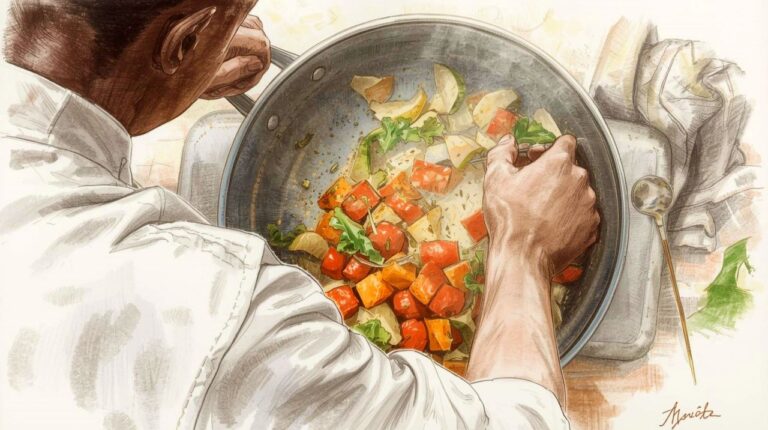
- Cooking in clients’ kitchens
- Managing schedules and dietary needs
- Leaving meals labeled, organized, and ready
The challenges are real:
- Every kitchen is different
- Expectations must be managed clearly
- You are responsible for the business side
But none of this requires chaos. What burns people out isn’t the work—it’s lack of systems and boundaries.

Balancing Freedom and Responsibility
Personal cheffing offers genuine freedom:
- You choose your clients
- You control your schedule
- You set your standards
- You design your menus
But freedom always comes with responsibility.
You trade comfort for control. You trade predictability for ownership. And you must develop basic business skills alongside your cooking skills.
The good news?
You don’t need to master all of that before you begin.
You only need enough structure to test the work honestly.
Getting Started Without Burning Everything Down
Here’s how most sustainable personal chef careers actually begin:
- Start small
Cook once or twice for someone who genuinely needs the help. No announcements. No big decisions. - Use existing relationships
Friends, family, referrals, or local community connections are the safest starting points. - Price thoughtfully, not aggressively
You’re testing fit, not maximizing income yet. - Create simple menus
Repeatable, practical food tells you more than ambitious complexity. - Pay attention to how you feel afterward
Energized or drained? Calm or scattered? Grounded or stressed?
That feedback matters more than outside opinions.
Next Step
Being a personal chef is a unique blend of culinary skill and entrepreneurial spirit. It offers freedom, creativity, and direct impact—but only when approached with intention.
You don’t need to quit your job.
You don’t need to commit to a new identity.
You don’t need to burn anything down.
You just need to try the work in a way that respects your life as it already exists.
If this path aligns with who you are, it will reveal itself through action—not imagination.
And if it doesn’t, you’ll know that too—without regret.
That’s the real freedom.