
Sunday night shouldn’t feel like a countdown.
Yet for many people, it does. The weekend closes in, Monday looms, and work becomes something to endure so life can begin again on Friday. We split ourselves in two—professional during the week, human on the weekend—keeping our creativity, values, and personality safely outside our job titles.
That arrangement works for a while. Then it doesn’t.
The most fulfilled people aren’t the ones who perfected their escape from work. They’re the ones who stopped needing to escape at all. They built careers that reflect who they are instead of forcing them to play a role five days a week.
For people drawn to food, creativity, and independence, personal cheffing has quietly become one of the clearest paths to that kind of integration.

Why So Many Jobs Feel Draining—Even “Good” Ones
Burnout isn’t always about long hours. Often, it comes from friction.
When you spend your days suppressing instincts, following rigid structures, or executing someone else’s vision, a lot of energy is lost just fitting in. Autonomy is limited. Outcomes are abstract. Ownership is thin.
You may be productive—but disconnected.
In many traditional roles, you don’t build something you recognize as yours. You contribute to systems that continue whether you’re present or not. Over time, that separation between who you are and what you do creates exhaustion that rest alone can’t fix.
What It Means to Build Work Around Who You Are
Integrating work and identity doesn’t mean erasing boundaries or turning passion into chaos. It means alignment.
When your work reflects your values and strengths, effort feels purposeful instead of draining. Challenges become problems to solve, not obstacles to survive.
That integration usually includes:
- Autonomy: control over how and when you work
- Creative expression: room for personal judgment and style
- Direct impact: seeing the results of your effort clearly
When those elements are present, work stops feeling like a performance and starts feeling like flow.
Why Personal Cheffing Fits This Shift
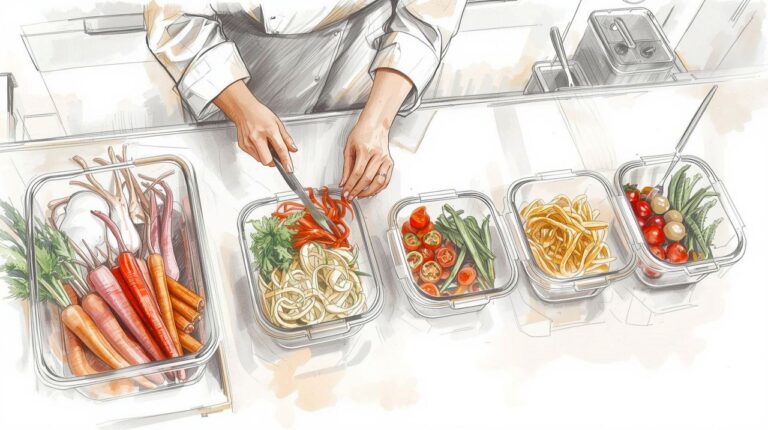
Personal cheffing has evolved far beyond its old reputation as a luxury service. Today, it’s a practical response to modern life.
People want to eat better.
They have less time.
Restaurants can’t meet highly specific needs consistently.
Personal chefs can.
Industry estimates place thousands of personal chefs across the U.S. serving tens of thousands of clients, with continued growth expected. Families, professionals, seniors, and health-focused clients aren’t hiring chefs for novelty—they’re hiring them for stability and relief.
As a personal chef, you’re not just cooking. You’re solving a recurring problem in someone’s life.
This Is a Business—Not a Fantasy
Building a personal chef career requires more than culinary skill. It requires intention.
Credibility Comes First
Food safety certification, insurance, and proper licensing aren’t optional. Clients trust you with their health and their homes. Professional structure builds confidence on both sides.
Specialization Creates Freedom
The most successful chefs don’t try to serve everyone. They choose a lane.
Vegan families.
Diet-specific meal prep.
Heritage home cooking.
Small, intimate events.
A clear niche simplifies marketing and attracts clients who value exactly what you offer.

Visibility Is About Story, Not Selling
Clients hire people they trust. A simple website, consistent visual proof of your work, and clear communication go further than aggressive promotion. Word-of-mouth remains the strongest growth engine in this field.
Where This Industry Is Headed
Personal cheffing continues to adapt alongside modern lifestyles:
- Increased demand for dietary-specific and allergy-safe cooking
- Greater use of scheduling, payment, and client-management tools
- Expansion into virtual offerings like meal planning and cooking sessions
Chefs who stay curious and adaptable aren’t just surviving—they’re building resilient careers.

When Work Starts to Feel Like You
A career that fits doesn’t eliminate effort. It gives effort meaning.
When you stop living for the weekend, it’s usually because your weekdays no longer feel like a detour from yourself. You’re doing work that reflects your judgment, your taste, and your values.
Personal cheffing isn’t the only way to get there—but it’s one of the few food careers where identity and income don’t have to compete.
If this reframed how you think about work, you’ll find grounded guidance and free resources at Become A Personal Chef—focused on structure, sustainability, and alignment, not hype.
You don’t need a better escape.
You need work that finally feels like home.