For most of culinary history, the deal was clear: if you wanted to cook for a living, your time no longer belonged to you. Nights, weekends, holidays—gone. Your schedule dictated when you slept, ate, and saw the people you cared about.
That deal is quietly being renegotiated.
A growing number of chefs are stepping away from the restaurant grind—not because they stopped loving food, but because they refused to keep sacrificing their lives for it. They’re building businesses that bend around their calendars instead of breaking them.
This shift isn’t really about food.
It’s about autonomy.
Why the Industry Is Moving Toward Personal Service
Personal cheffing is no longer an edge case for the wealthy. It’s become a practical solution for modern households that value time, health, and consistency.
Thousands of personal chefs across the U.S. now serve tens of thousands of clients—and demand continues to grow. Not because people want extravagance, but because they want help.
The core client groups are predictable and stable:
- Busy professionals who want weekday meals handled
- Families who want nutritious dinners without nightly prep
- Health-focused clients with specific dietary needs
- Seniors who want to age in place with proper nutrition
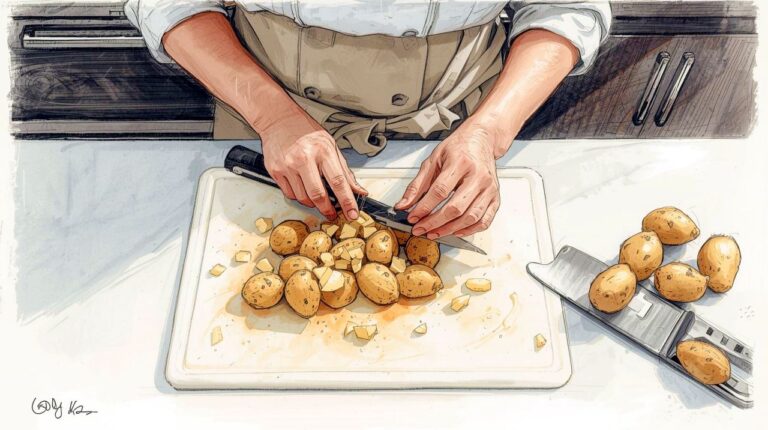
For chefs, this matters because these clients live on normal schedules. Instead of cooking late into the night, many personal chefs prep meals on weekday mornings and finish by mid-afternoon.
That alone changes everything.
Flexibility Is Designed—Not Granted
One of the biggest misconceptions about personal cheffing is that you’re always “on call.” In reality, the most successful chefs protect their time intentionally.
Systems Create Boundaries
Online scheduling tools, structured service packages, and clear availability windows prevent calendar creep. Delivery systems and batch cooking models reduce unnecessary back-and-forth.
The result: work stays inside defined hours instead of bleeding into your life.
Specialization Saves Time
Chefs who niche early work smarter, not harder.
When you serve a specific type of client with a defined need, shopping lists shrink, prep becomes repeatable, and decisions decrease. Efficiency isn’t about speed—it’s about reducing friction.
The narrower the service, the more predictable the week.
Clients Who Respect Time Exist—If You Choose Them
Not all clients are created equal. Personal chefs who design their schedules carefully learn to attract people who value structure.
Referrals Create Stability
Word-of-mouth remains the strongest growth engine. Clients tend to refer people with similar lifestyles and expectations—meaning fewer surprises and more alignment.
Referral-based growth usually leads to better clients and better calendars.
Visibility Filters for Fit
A simple, targeted online presence does more than attract leads—it pre-qualifies them. When clients already understand your style, schedule, and boundaries, conversations are shorter and expectations clearer.
You spend less time selling and more time cooking.
There Is No One “Right” Schedule
The most overlooked truth about personal cheffing is this: there isn’t a single model.
Some chefs prioritize retention and work with the same families every week. Others lean into seasonality—working harder during high-demand periods and scaling back intentionally. Some build ultra-stable niches around dietary needs where trust matters more than novelty.
What they have in common isn’t workload—it’s control.
They know when they’re working, why they’re working, and when they’re not.
From Employee to Owner of Your Time
Moving into personal cheffing isn’t just a job change. It’s a shift in mindset.
You stop asking for time off and start deciding your capacity.
You stop reacting to schedules and start designing them.
You stop fitting life into work and let work support life.
Yes, there are new skills to learn—pricing, contracts, client management—but the payoff is ownership over your calendar.
If you’re curious whether this path fits you, the free guides and resources at Become A Personal Chef are built to help you think through the transition realistically—without hype.
The culinary world is big enough for your ambition and your personal life.
But only if you’re willing to design the schedule instead of inheriting it.