You spend twelve hours on your feet. You manage the heat, the timing, and the pressure. You execute every dish with precision, ensuring the customer leaves happy. But at the end of the night, the profit from that labor doesn’t go into your pocket—it goes to the owner.
In the traditional culinary world, there is often a massive disconnect between the value a chef creates and the compensation they receive. You own the skills, but you don’t own the product. The restaurant model relies on this disparity. It thrives on skilled workers generating value they never control.
But the industry is shifting. The rise of the personal chef service is reframing what it means to be a culinary professional. It moves you from a line item on someone else’s payroll to the owner of your own asset, where effort, reputation, and income finally align.
The Problem with Traditional Employment
For decades, the path for a chef was linear: culinary school, line cook, sous chef, and maybe—if you survived the burnout—executive chef. While the title changes, the dynamic often remains the same. You trade your time and physical health for a fixed salary, while the establishment capitalizes on your creativity.
This structure limits your earning potential. Your income is capped by the restaurant’s budget, not your ability to generate revenue. Furthermore, you often lack creative autonomy, forced to cook the same menu night after night to maintain brand consistency for the owner.
The Personal Chef Solution: Defining Freedom in the Kitchen
Becoming a personal chef is not just about changing where you cook; it is about changing why you cook. It is the shift from employee to entrepreneur.
When you run a personal chef service, you reclaim ownership of your craft. You decide the menu based on your strengths. You set the prices based on the value you provide. Most importantly, the profit margin belongs to you.
This career path offers benefits that the restaurant industry rarely provides:
- Flexibility: You determine your schedule. Whether you want to work weekends or strictly Monday through Friday, the choice is yours.
- Direct Client Relationships: Instead of an anonymous ticket on a rail, you cook for people you know. You see the immediate impact of your food on their lives.
- Creative Control: You can adapt menus seasonally or customize them for specific dietary needs without needing corporate approval.
Market Opportunity: Why Now is the Perfect Time
The demand for personalized culinary services is no longer limited to the ultra-wealthy. The market has expanded significantly, driven by busy professionals, families, and health-conscious individuals who value their time as much as their food.
In 2022, the personal chef service market in the United States alone was estimated at $4.7 billion. Globally, the market was valued at $13 billion, with projections to grow significantly in the coming years.
Several trends are fueling this growth:
- Health-Conscious Eating: There is a surge in demand for diet-specific meals, such as Keto, Paleo, Vegan, and Gluten-Free.
- Aging Populations: Seniors increasingly prefer meal preparation services in their homes to maintain independence while ensuring proper nutrition.
- Convenience: Dual-income families often lack the time to cook nutritious meals and view personal chef services as a necessary solution rather than a luxury.
There are currently an estimated 9,000 personal chefs in the U.S. serving about 72,000 clients. With the market expected to double, the opportunity for new entrants to capture market share is massive.
Building Your Brand: Skills, Certification, and Specialization
To stop being an employee and start being a business owner, you must treat your culinary skills as a product. This requires building a brand that communicates trust and value.
Identify Your Niche
Trying to cook everything for everyone is a recipe for burnout. The most successful personal chefs specialize.
- Dietary Specialization: Focus on allergy-friendly meals, heart-healthy diets, or weight-loss programs.
- Cuisine Specialization: Master a specific region, such as authentic Italian, Japanese, or Peruvian cuisine.
- Service Type: Choose between weekly meal prep for families or high-end dinner parties for corporate clients.
Certifications and Trust
In a restaurant, the health inspector vouches for safety. As a personal chef, you are the guarantee. obtaining a Food Handler’s Certificate is non-negotiable. Additionally, certifications from organizations like the United States Personal Chef Association (USPCA) can enhance your credibility.
Creating a Brand Identity
Your brand is the promise you make to your clients. It encompasses your logo, your packaging, and the way you present your food. A strong brand justifies premium pricing. If you position yourself as a high-end service for customized nutrition, your branding must reflect that sophistication.
Actionable Steps: How to Start Today
Transitioning from a steady paycheck to a business owner can feel daunting, but it follows a logical process.
- Develop a Business Plan: Outline your costs (ingredients, travel, insurance) and your projected revenue. This is your roadmap.
- Handle the Legalities: Research local business licenses and health department permits. Secure liability insurance to protect yourself when working in client homes.
- Set Your Pricing: Do not undervalue your work. Use a cost-plus or value-based pricing model. Remember, you aren’t just charging for food; you are charging for menu planning, shopping, travel, cooking, and cleaning.
- Source Your First Clients: Use your existing network. Word-of-mouth is powerful. Offer a referral incentive to your first few clients to encourage them to spread the word.
Free Tools and Resources
You do not need to figure this out alone. There are resources available to help you navigate the business side of cooking—from contracts to marketing strategies.
BecomeAPersonalChef.com offers a wealth of information for chefs ready to make the leap. You can access:
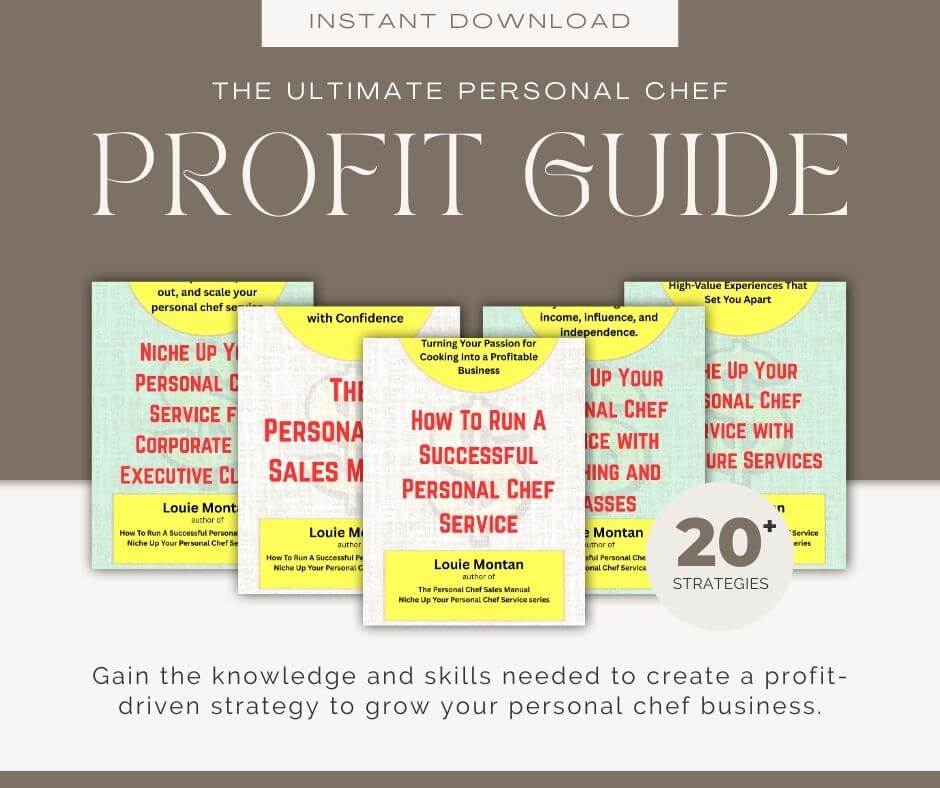
- A Personal Chef Starter Guide: Includes pricing checklists and marketing steps.
- Sample Contracts: Protect your business with professional agreements.
- Client Scheduling Tips: Learn how to manage a busy roster without getting overwhelmed.
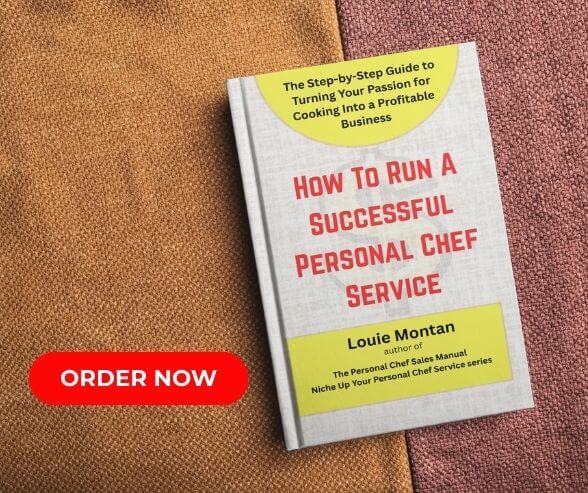
Visit BecomeAPersonalChef.com to download these tools and start building a business that pays you what you are worth.
Reclaim Your Value: From Employee to Entrepreneur
The culinary industry trains you to be a machine—efficient, consistent, and replaceable. But your skills are unique, and your potential is limited only by the structure you work within.
By becoming a personal chef, you stop renting out your skills to build someone else’s dream and start using them to build your own. The market is growing, the demand is real, and the tools are available. The only missing ingredient is your decision to take ownership.
Sources
- Market Size and Growth Trends (Derived from “How To Run A Successful Personal Chef Service BOOK.docx”)
- Personal Chef Industry Statistics (Derived from “How To Run A Successful Personal Chef Service BOOK.docx”)
- Become A Personal Chef Resources