For a long time, we’ve accepted a quiet rule: work costs something.
Time. Energy. Health. Presence.
We learn to expect the Sunday night dread. We joke about burnout. We treat fulfillment as a luxury—something we earn after decades of grinding. Passion becomes a hobby. Rest becomes conditional.
But what if that equation is wrong?
What if effort doesn’t have to mean depletion—and success doesn’t have to come at the expense of your life?
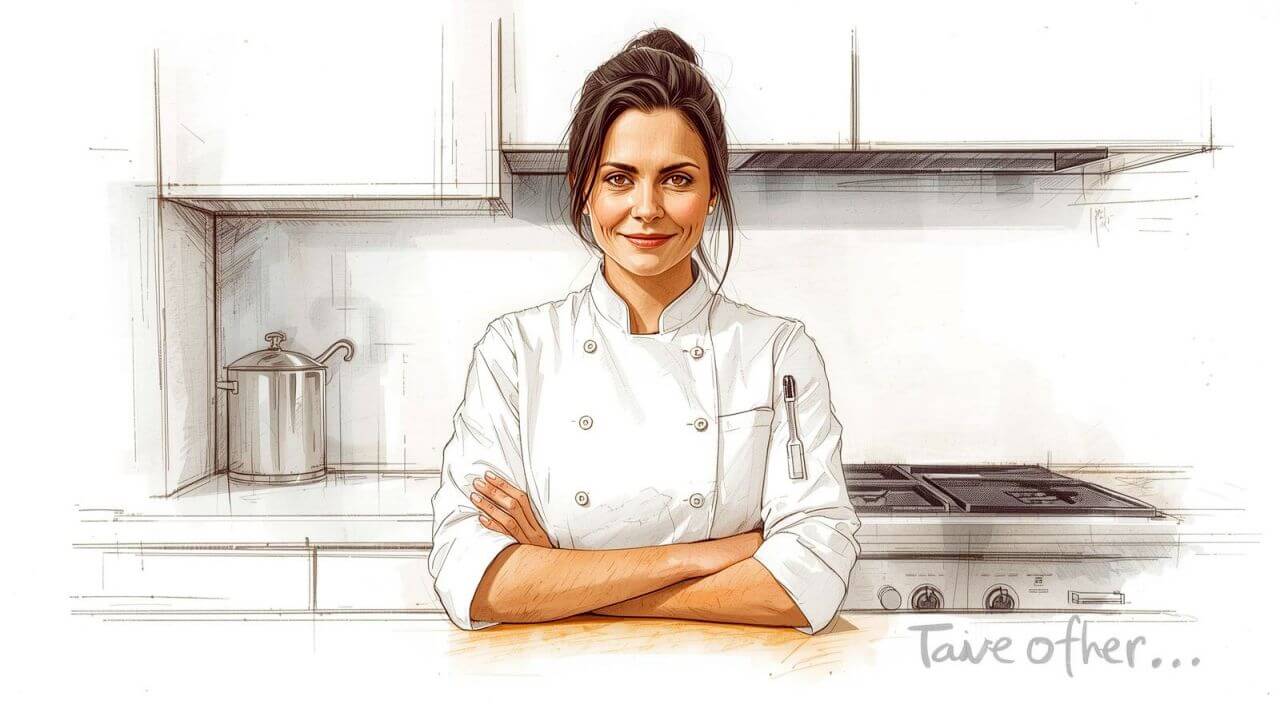
That question is reshaping how people think about careers, especially in food. For years, “working in the culinary world” meant long shifts, missed milestones, and wearing exhaustion like a badge of honor. Today, a quieter alternative is gaining ground—one where work supports life instead of consuming it.
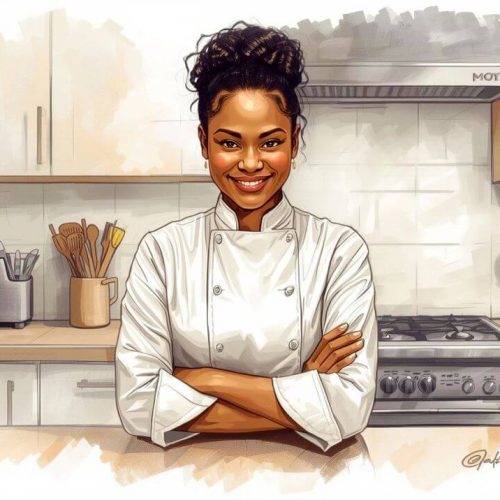
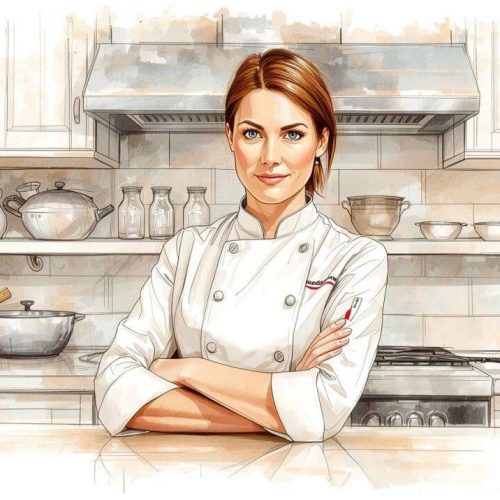
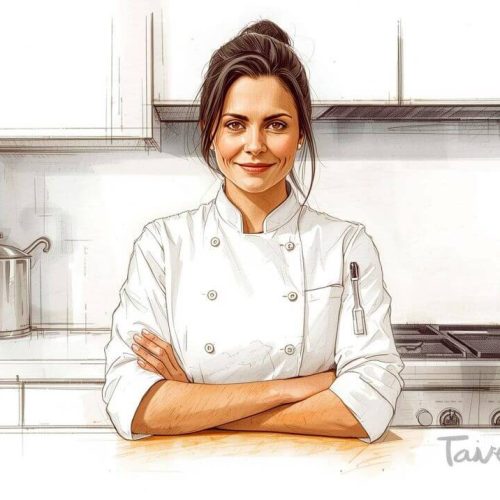
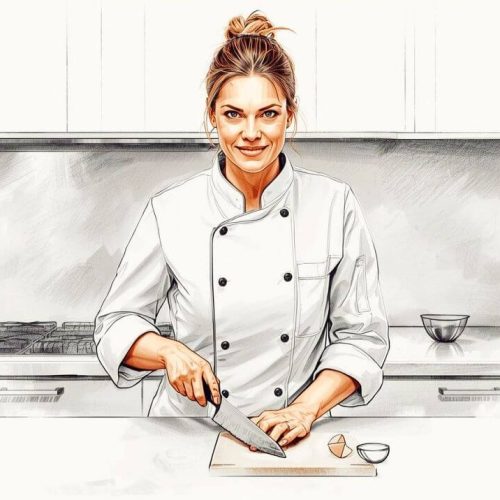
That alternative is personal cheffing.
Not as a trend.
As a reframe.
A Different Way to Think About Work
The traditional model treats labor as a transaction: hours in, paycheck out. Creativity and care are secondary. Autonomy is rare. The structure assumes sacrifice is normal.
Personal cheffing flips that logic.
It’s still real work. Still demanding. But it’s designed around usefulness, ownership, and choice. Instead of being one role inside a large system, you build a small system that fits you.
That shift—from employee to owner—is where the feeling changes.
Why Demand Keeps Growing
Personal cheffing was once framed as indulgence. It isn’t anymore.
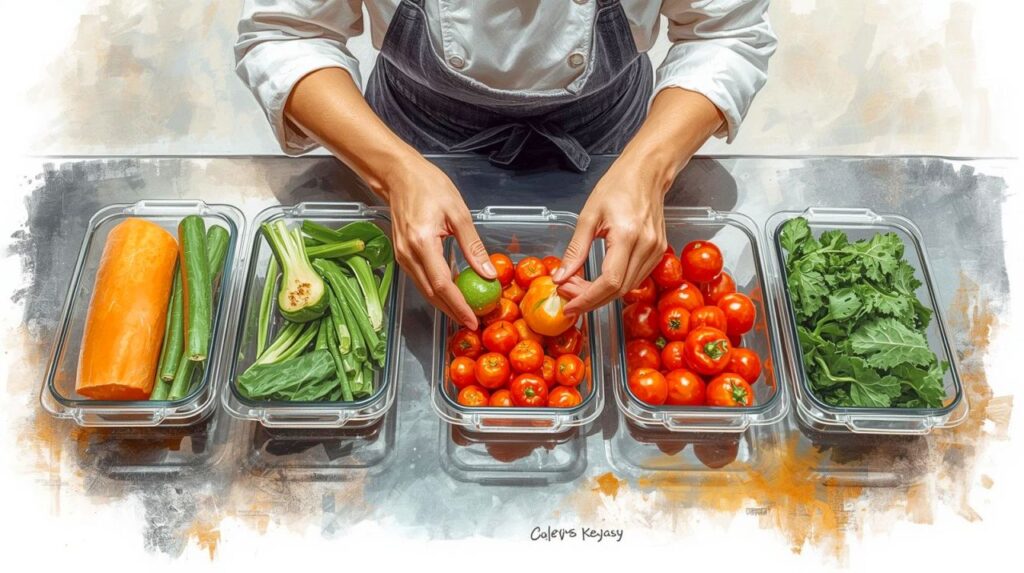
Modern life has created a simple problem: people want to eat well and think about food less. Health matters. Time is scarce. Restaurants can’t solve highly specific needs consistently.
Personal chefs can.
Across the U.S., thousands of chefs serve clients who aren’t looking for luxury—they’re looking for reliability. Families who want weeknight meals handled. Professionals who want nutrition without decision fatigue. Seniors who want to age in place with dignity.
The demand isn’t hypothetical. It already exists.
You Get to Redefine Who You Serve
One of the most overlooked advantages of personal cheffing is choice.
You decide:
- who your clients are
- what problems you solve
- how your service fits your energy and schedule
Some chefs cook weekly meals for families.
Others specialize in dietary needs.
Others focus on intimate, occasional experiences.
There is no single “right” model—only one that fits.
That flexibility is what allows work to stop feeling like sacrifice and start feeling intentional.
Technology Made This Easier
This path used to be harder. It isn’t now.
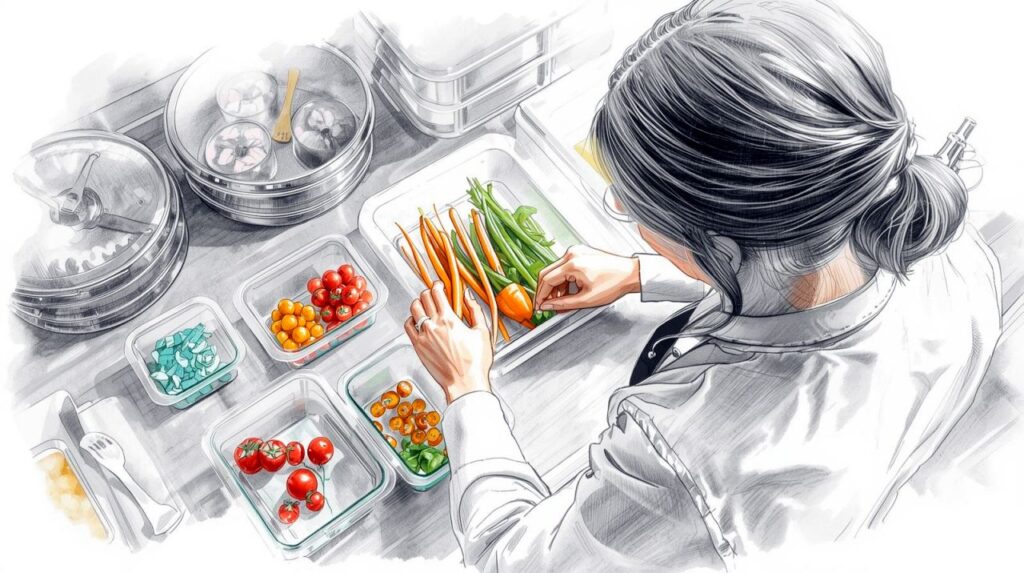
Scheduling tools, client profiles, invoicing systems, and simple digital marketing have removed much of the friction. Chefs can manage preferences, allergies, and timing without drowning in admin.
That means more focus on cooking—and more control over how much you take on.
Breaking In Without Romanticizing It
This isn’t about quitting tomorrow or chasing an idealized lifestyle. It’s about structure.
Credibility Still Matters
Food safety certification, insurance, and basic business setup aren’t optional. Clients trust you in their homes and with their health. Professionalism protects everyone involved.
Marketing Is Clarity, Not Hype
You don’t need to appeal to everyone. You need to be clear about who you’re for.
Farm-to-table families.
Macro-focused meal prep.
Allergy-safe kitchens.
When people recognize themselves in your offer, trust builds quickly.
Pricing Is About Value, Not Hours
Personal cheffing works when pricing reflects the outcome you provide—time saved, stress removed, health supported—not just the cost of ingredients.
This is where many chefs stop sacrificing and start sustaining.
What Changes When Work Stops Being a Drain
The benefits of personal cheffing aren’t just financial.
You Control Your Schedule
No default nights. No mandatory holidays. You decide when you work and when you don’t.
You See the Impact
Instead of anonymous plates, you see real people helped by your work. That feedback loop restores meaning.
You Keep Your Energy
Work still requires effort—but it gives something back. That’s the difference.
A Career That Supports a Life
We spend a third of our lives working. If that time feels like loss, the cost is enormous.
Personal cheffing offers another option—one where skill, care, and autonomy coexist. Where effort is connected to outcome. Where ambition doesn’t require self-erasure.
If this reframed how you think about work, there are grounded resources and free guides at Become A Personal Chef designed to help you explore what this path actually looks like—without pressure or hype.
Work doesn’t have to be sacrifice.
It can be contribution.
And that changes everything.