
The Organic Personal Chef — Year 2000
THE YEAR IN BRIEF
This year, in short:
- The work existed in fragments: one-off dinners, early referrals, and figuring things out job by job
- Basic tools, timing, and communication were learned the hard way, often mid-service
- The defining characteristic was instability — not failure, but a lack of systems
THE FOOD WORLD AT THE TIME — 2000
🍽 Private chefs were largely invisible
📞 Referrals mattered more than websites
📄 Menus were faxed or handwritten
🧑🍳 Restaurant logic dominated personal cooking
🛒 Grocery stores were default suppliers
📆 Scheduling lived in people’s heads
💬 The job required constant explanation
🧠 Professional identity was unclear
⏱ Timing errors were common
🧾 Pricing conversations felt personal
🏠 Home kitchens were unpredictable
🔧 Equipment quality varied wildly
🌱 “Organic” was niche, not mainstream
🚶 Work came in bursts, then stopped
❓ No clear career path existed yet
OUR REALITY THAT YEAR
2000 was the year everything was possible — and nothing was reliable.
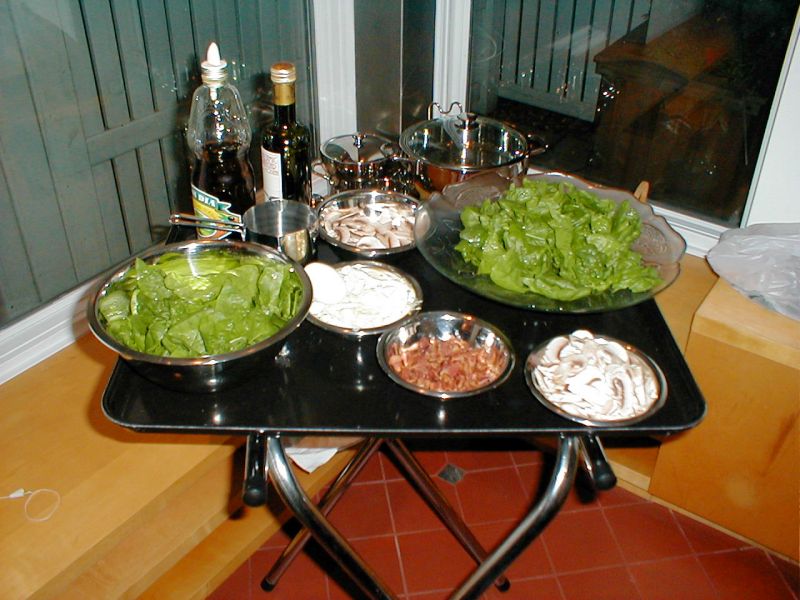
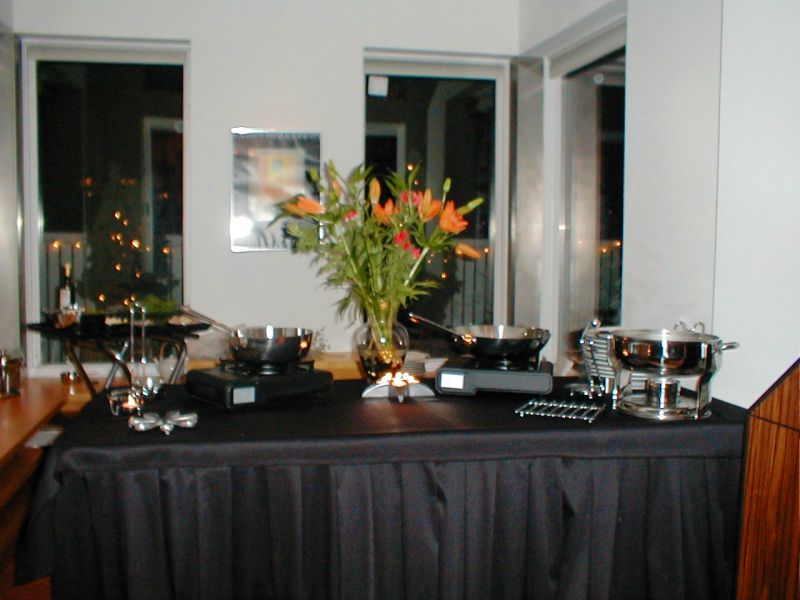
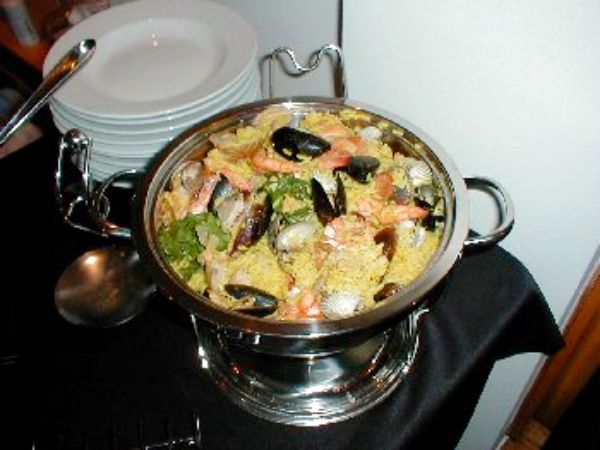
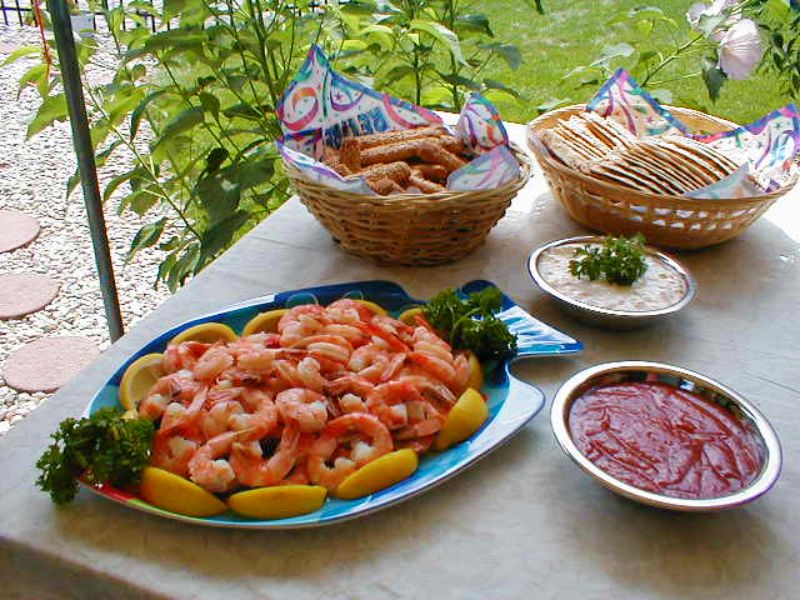
Work arrived sporadically. A first referral came from a genuinely happy client, which felt enormous at the time, like proof that this could be real. That led to cooking a first dinner party, then another. Each job felt separate from the last, disconnected, as if starting over every time. Weeks would pass with no inquiries at all, followed by sudden, urgent requests that required immediate yeses.
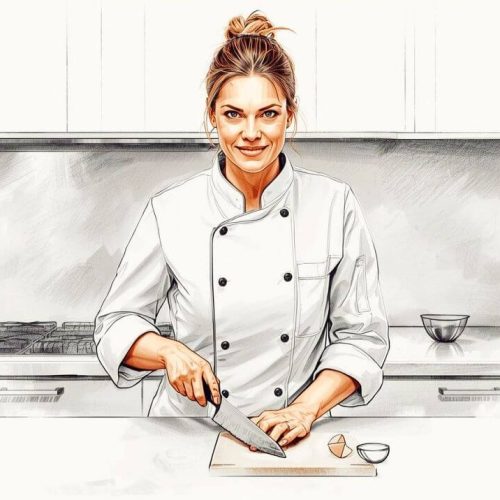
Tools were still being discovered. Buying a first Global knife three-piece starter kit marked a turning point — not because it changed the work overnight, but because one knife finally felt right. Balanced. Responsive. Like an extension of the hand. That single detail made prep faster, calmer, more controlled, even while everything else remained unpredictable.
Kitchen conditions were a constant variable. Oven temperatures were wildly inaccurate. One oven ran hotter than the other. Burners were uneven. In one home, the stove didn’t work at all. Each environment demanded improvisation. Precision was aspirational, not guaranteed. What worked in one kitchen failed in the next.
Scheduling was fragile. The first major error came from showing up on the wrong day — embarrassing, but fixable. The second involved a missed confirmation and a last-minute scramble. Then came the serious loss: a no-show that cost trust and ultimately a client. That moment landed hard. It wasn’t about cooking skill. It was about structure — or the lack of it.
The lesson was unavoidable. Calendars didn’t work without confirmation. Memory wasn’t a system. From that point forward, every job required written confirmation, synced calendars, and a 48-hour check-in. Confidence didn’t return because mistakes stopped happening — it returned because mistakes stopped being personal and became procedural.
Emotionally, the year was uneven. There was constant explaining — what the job was, why it mattered, why pricing worked the way it did. Feeling misunderstood and underappreciated was common. But then there were counterweights: a client trusting completely, a menu approved without changes, a smooth consultation, a pricing conversation with no pushback. Those moments hinted at a future version of the work that felt calmer and more respected.
There was even a first perfectly timed prep day — a quiet success that likely went unnoticed by everyone except the person doing the work. In retrospect, that mattered.
WHAT THIS YEAR TAUGHT US
Looking back, this year showed us that skill alone doesn’t create confidence — systems do. Reliability had to be built before reputation could follow.
WHERE THIS YEAR FITS IN THE CAREER
This year belonged to the Early Grind Years — the true beginning, where mistakes created the need for structure long before success required it.